
How to Read the Ingredients of Hair Cosmetics? Harmful Substances for Hair Loss

Many patients struggling with excessive hair loss look for solutions in hair care – reaching for shampoos, conditioners, or scalp tonics with supposedly strengthening properties. Unfortunately, not every cosmetic available on the market actually supports hair growth. What’s more, many popular products contain ingredients that can further irritate the scalp, weaken hair follicles, or even worsen alopecia. That’s why it is so important to know how to read cosmetic labels and consciously choose products that truly address the needs of the scalp and hair during periods of weakness. In the following article, we explain what to look for when analyzing cosmetic ingredients, which substances to avoid in hair loss, and which components can support regeneration and hair growth.

Continue reading “How to Read the Ingredients of Hair Cosmetics? Harmful Substances for Hair Loss”
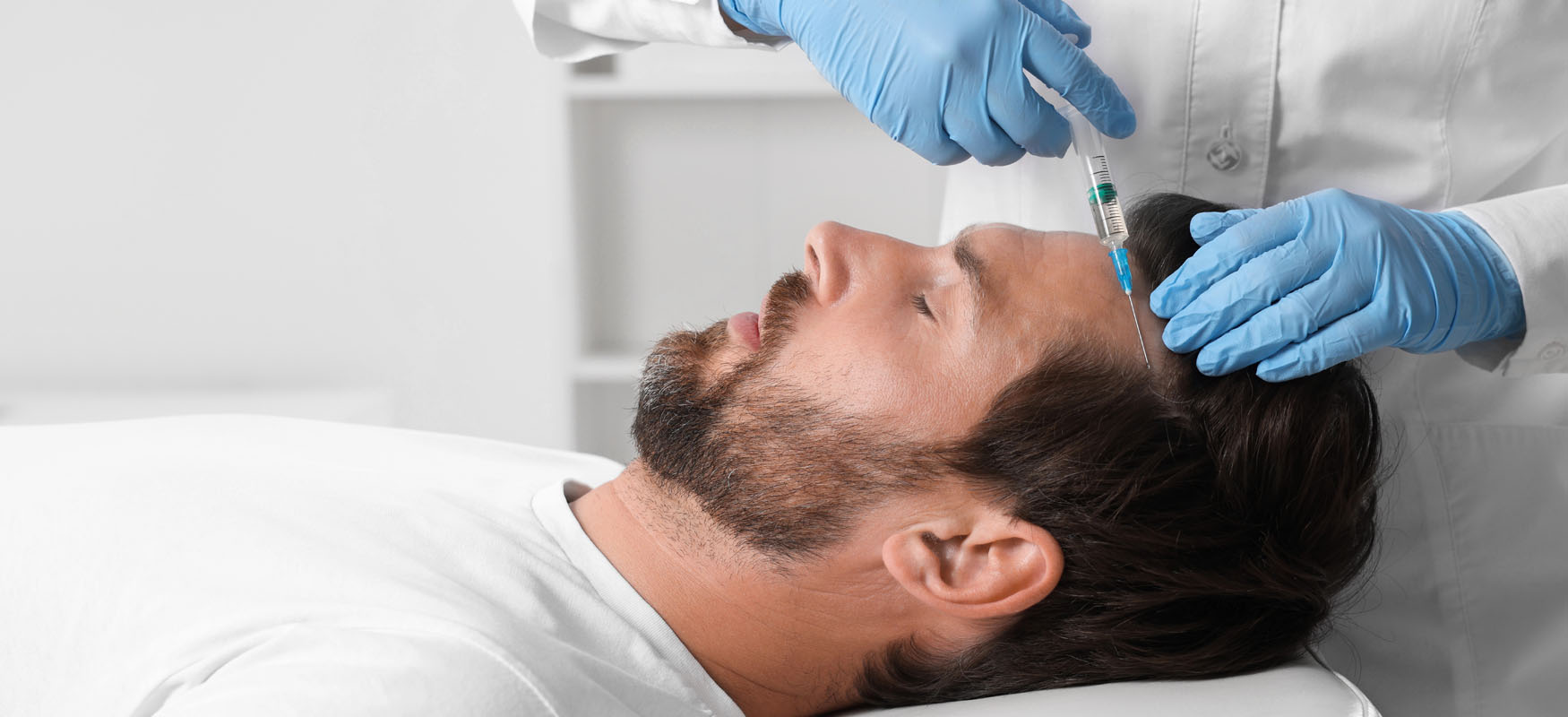
Exosomes or PRP – which is better for hair loss?

Modern trichology and regenerative medicine offer increasingly effective methods of supporting hair growth and treating various types of alopecia. Among the most popular and valued therapies are PRP, or platelet-rich plasma, and the increasingly used exosomes. Although both methods are based on biological regeneration and utilize the body’s natural mechanisms, they differ in their mechanism of action and range of effectiveness. At Piotr Turkowski’s Clinic, we successfully use both forms of therapy – tailoring them individually to each patient’s needs. It is worth taking a closer look and comparing which one may bring better results in specific cases.

Continue reading “Exosomes or PRP – which is better for hair loss?”

Seasonal Hair Loss: Causes and Treatments

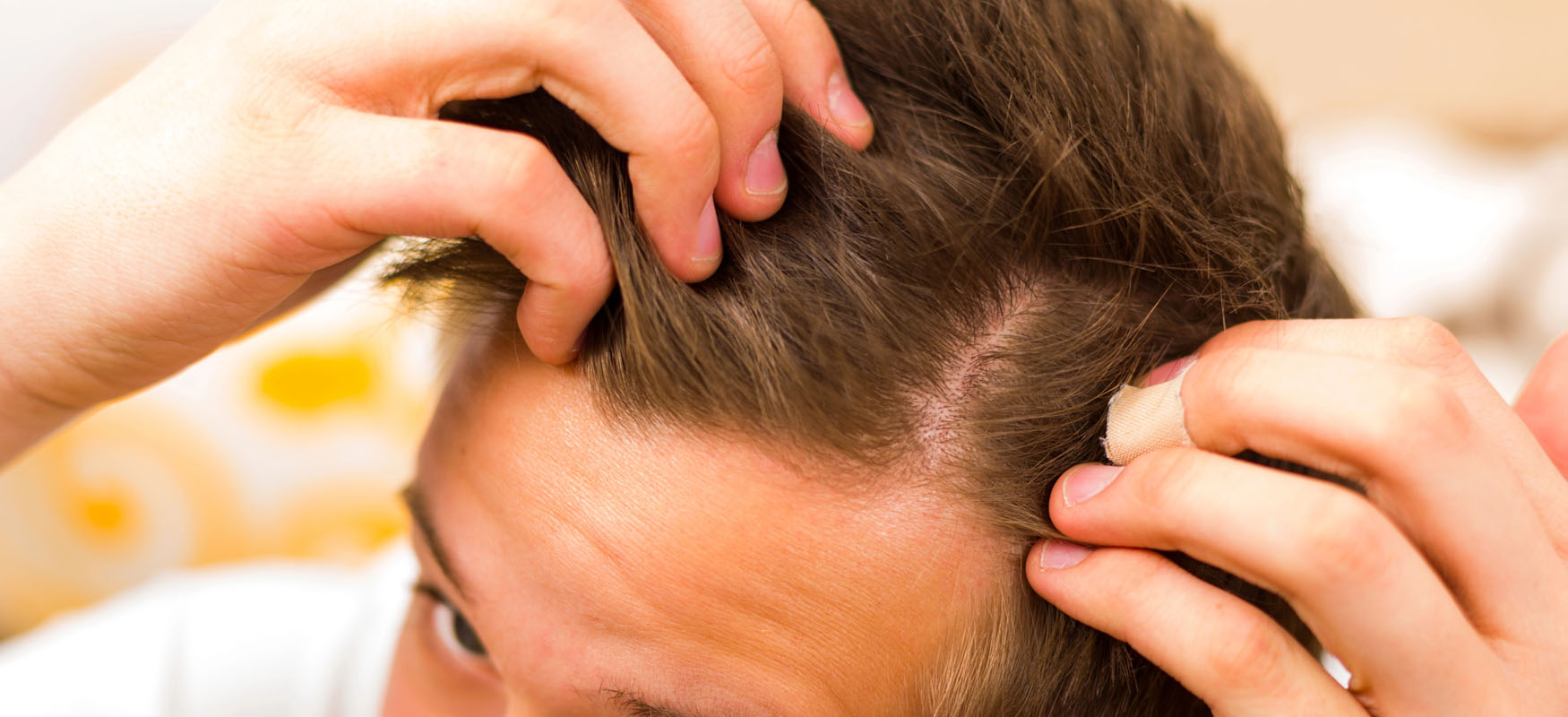
Hair loss is a natural process that accompanies us throughout life. However, many patients notice that they lose more hair than usual, especially in spring and autumn. Is this just an illusion, or do seasonal changes really affect the condition of our hair? In this article, we take a closer look at the phenomenon of seasonal hair loss and explain when it is worth seeing a specialist.

Continue reading “Seasonal Hair Loss: Causes and Treatments”

Hair transplant and training – when to return to exercise?

Hair transplant is a procedure increasingly chosen by physically active people – both professional athletes and enthusiasts of strength training, running, or combat sports. More and more patients combine taking care of their physical fitness with concern for their appearance. Thick, well-groomed hair is not only an element of aesthetics but also influences self-confidence. Although hair transplantation is now performed in a way that does not interfere with overall health and does not require long hospitalization, the recovery process requires a responsible approach, especially when planning a return to intensive physical activity.

Continue reading “Hair transplant and training – when to return to exercise?”

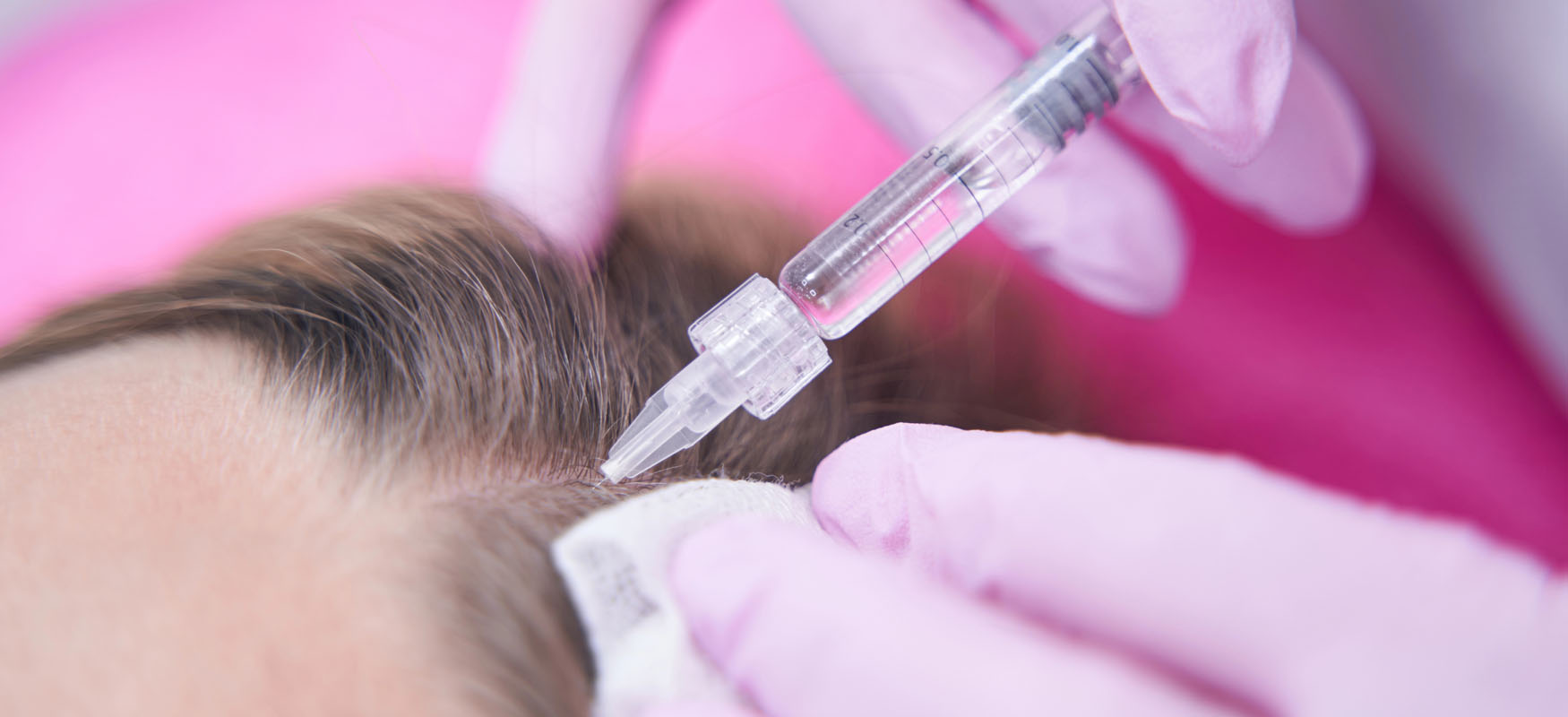
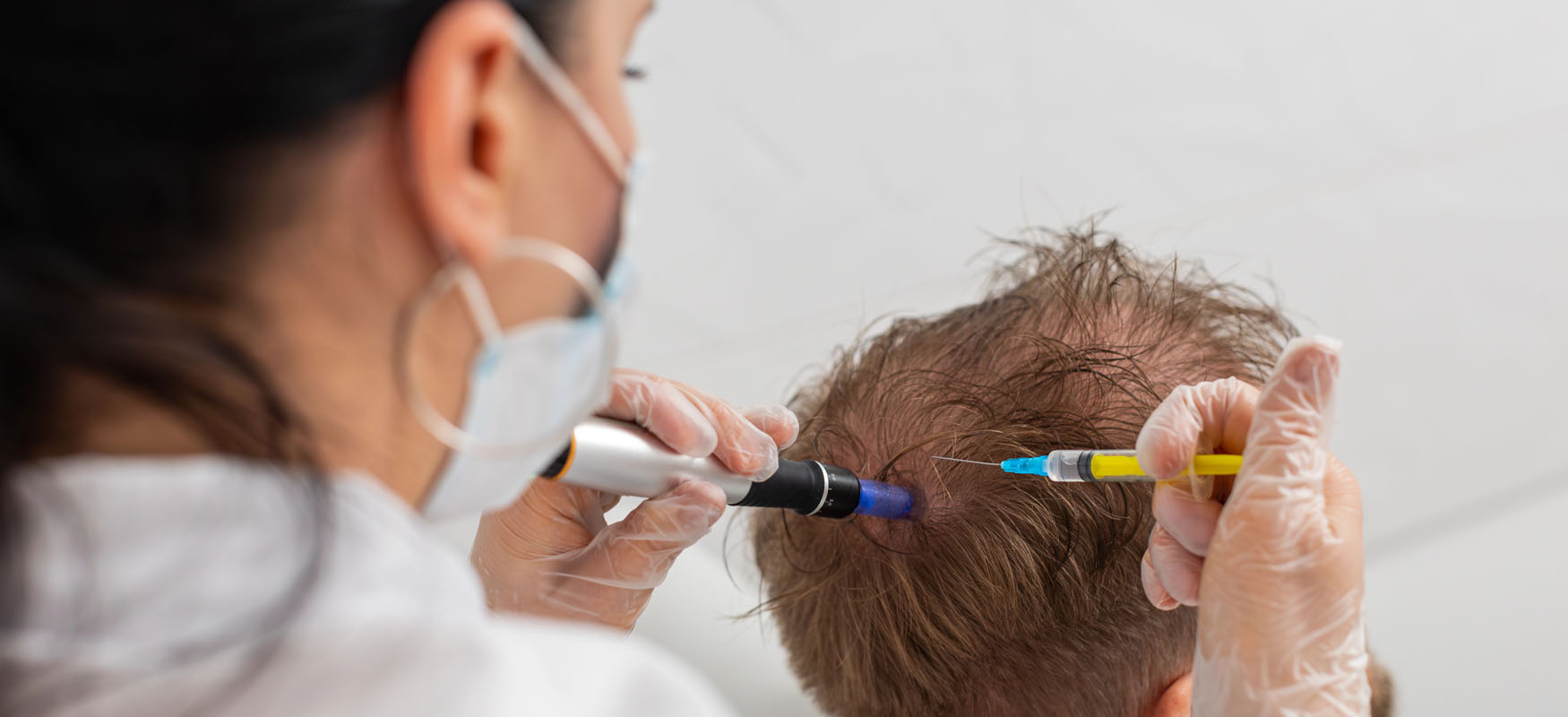
Scalp mesotherapy effects – how long does it take? How to maintain them?

Modern trichology offers many methods to support hair growth and improve scalp condition. One of the most commonly chosen is mesotherapy – a procedure popular among both women and men. It is used, among others, to combat hair weakening, excessive shedding, or the first signs of androgenetic alopecia. Mesotherapy involves delivering nutrients directly into the scalp through microinjections. Patients who choose this method often ask how long its results can last.

Continue reading “Scalp mesotherapy effects – how long does it take? How to maintain them?”

How does ferritin affect hair? Check out the role of iron.

Ferritin is a protein that stores iron in the body and gradually releases it when needed. Although it is most often analyzed in the context of diagnosing iron deficiency or anemia, it also plays a crucial role in scalp health and hair growth. For many patients, the problem of excessive hair loss may have a much deeper cause than hair care alone – one of the most commonly overlooked factors is low ferritin levels.

Continue reading “How does ferritin affect hair? Check out the role of iron.”

The role of exosomes in hair follicle regeneration

Modern aesthetic medicine increasingly relies on advanced biological solutions that support the body’s natural regenerative processes. One of the most promising directions in hair loss therapy is exosomes – microscopic extracellular vesicles that contain proteins, lipids, growth factors, and genetic material. Thanks to their regenerative properties, exosomes are gaining popularity in therapies aimed at rebuilding hair follicles and improving hair quality and density.

Continue reading “The role of exosomes in hair follicle regeneration”

Helmet, hat, and hair loss – is there anything to be afraid of?

Many people ask whether wearing a hat, bike helmet, or work helmet can contribute to hair loss. These doubts arise especially during periods when head coverings are worn daily – in winter, while playing sports, at work, or when riding a motorcycle. A common belief is that tight-fitting hats limit the flow of air to the scalp, making hair weaker and causing shedding. But is there really anything to worry about?

Continue reading “Helmet, hat, and hair loss – is there anything to be afraid of?”

Eating disorders and hair loss – how to stop them?

Eating disorders such as anorexia, bulimia, and orthorexia are mental health conditions that deeply and often destructively affect the entire body – including the skin, nails, and hair. For many people struggling with these problems, hair loss becomes one of the first visible symptoms and a major source of stress and lowered self-esteem. While the causes of eating disorders are complex and require specialist psychological support, their physical consequences – including alopecia – can often be alleviated or even stopped with proper diagnosis and medical care.

Continue reading “Eating disorders and hair loss – how to stop them?”

Anagen effluvium. How to recognize and treat it?

Hair loss can have different causes, and its nature depends, among other things, on the phase of the hair growth cycle in which the disturbance occurs. The two most commonly diagnosed types are anagen effluvium and telogen effluvium. Although for the patient both mean hair loss, their mechanisms and treatments differ fundamentally. In this article, we explain what exactly anagen effluvium is, how to distinguish it from telogen effluvium, and what can be done to treat it.

Continue reading “Anagen effluvium. How to recognize and treat it?”

Can a hair transplant be repeated? When and how?

A hair transplant is one of the most popular methods of treating hair loss, helping thousands of patients every year regain their confidence and achieve natural-looking hair. Although the procedure is highly effective, a common question arises: can a hair transplant be repeated? The answer is yes – it is possible, and in some cases even recommended. In this article, we explain why a second transplant may be performed, when is the best time to plan it, and what you should know before deciding.

Continue reading “Can a hair transplant be repeated? When and how?”

How Stress Affects Hair Transplantation? Facts, Research, and Advice

Modern aesthetic medicine, and particularly hair transplant surgery, delivers excellent results in combating baldness. However, even the most advanced techniques, such as the FUE (Follicular Unit Extraction) method, require more than just surgical precision — they also need favorable regeneration conditions. One of the most important, yet often underestimated, factors affecting the success of a hair transplant is stress.

Continue reading “How Stress Affects Hair Transplantation? Facts, Research, and Advice”