How to choose the number of grafts needed for transplantation?

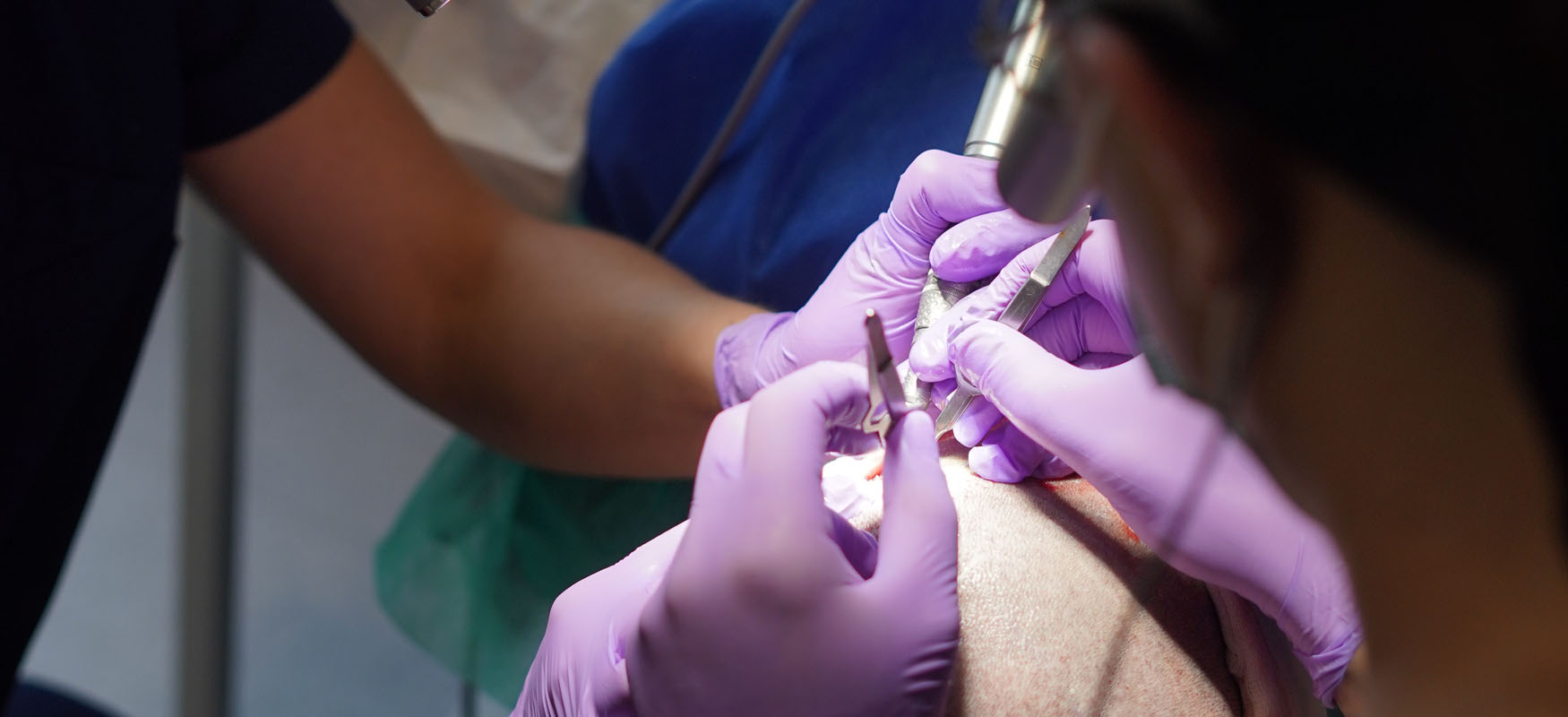
One of the most common questions asked by patients planning a hair transplant is: “How many grafts will I need?” The answer is not straightforward, as the number of grafts depends on many individual factors, such as the degree of hair loss, the quality of the donor hair, and the desired density. In this article, we explain how the required number of grafts is determined and the methods used at Piotr Turkowski’s Clinic to create a precise treatment plan.

Continue reading “How to choose the number of grafts needed for transplantation?”
Anesthesia and sedation for hair transplantation – what is worth knowing?

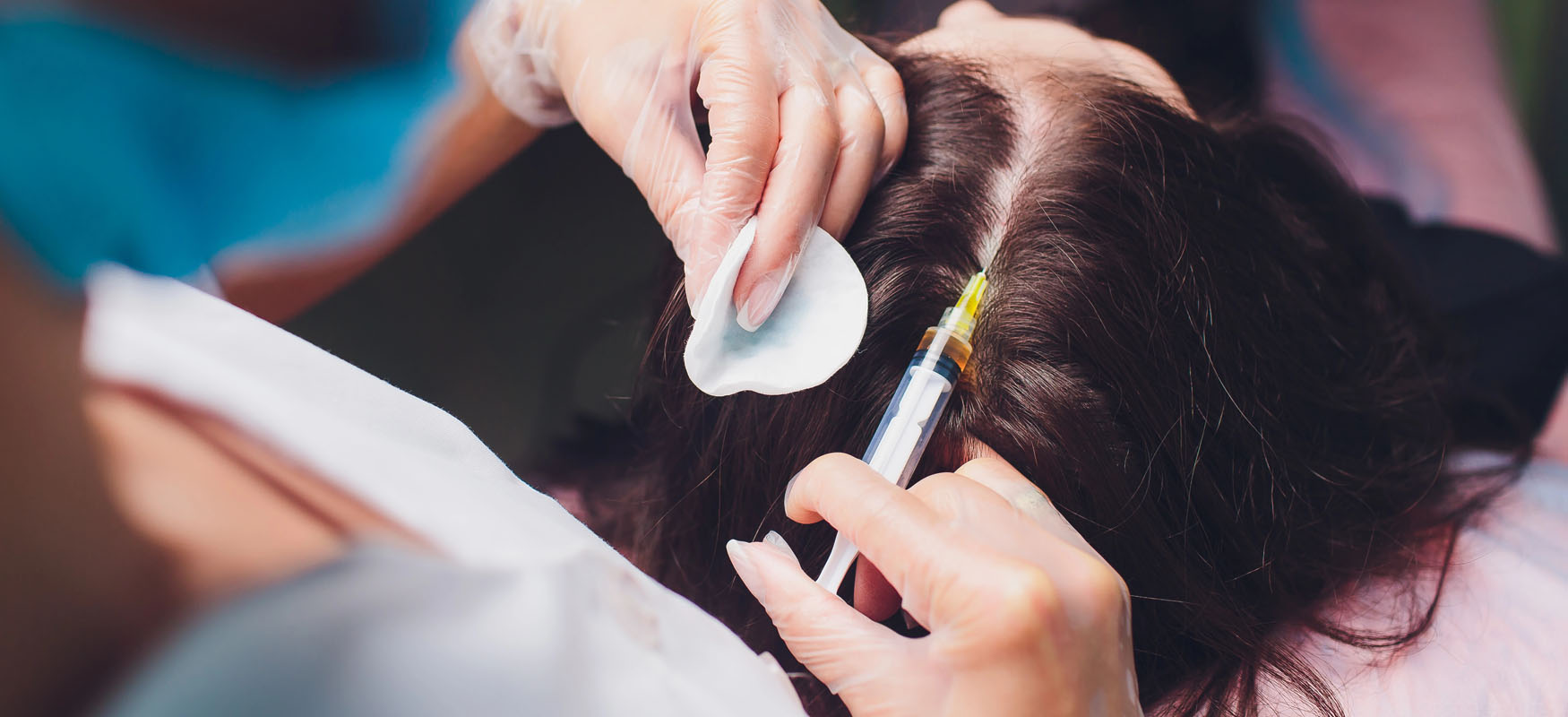
Hair transplantation is a procedure that not only improves appearance but also restores confidence to people struggling with various forms of hair loss. To ensure the process is as comfortable as possible, proper patient preparation is essential. This includes the use of appropriate anesthetics.

Continue reading “Anesthesia and sedation for hair transplantation – what is worth knowing?”

What tools are used for hair transplantation?

Hair transplantation is becoming increasingly popular worldwide. When performed correctly, it delivers natural-looking and long-lasting results. Transplant techniques are constantly evolving and improving, making the entire process more precise and patient-friendly. Each method has its advantages and limitations, as well as specific tools used during the procedure. So, what instruments are used in hair transplantation?

Continue reading “What tools are used for hair transplantation?”

Protecting your hair from frost – how to care for your hair in winter?

Winter is a season when our hair is particularly vulnerable to damage. Cold air, harsh winds, and snow are just some of the factors that can negatively affect its condition and appearance. Sudden temperature changes between outdoor cold and heated indoor spaces also play a role. It’s no surprise that during winter many people struggle with dryness, breakage, and dull-looking hair. To keep hair healthy and shiny, proper care is essential.

Continue reading “Protecting your hair from frost – how to care for your hair in winter?”

Oily dandruff. What does it look like and how to get rid of it?

Oily dandruff, also known as seborrheic dermatitis, is one of the most troublesome scalp conditions affecting many people. While it may appear on different parts of the body, it most often affects the scalp, causing not only physical but also psychological discomfort. Below we explain what oily dandruff looks like, its causes, and the treatment methods that can help eliminate it.

Continue reading “Oily dandruff. What does it look like and how to get rid of it?”

Hair loss in pregnant and menopausal women

Shedding is a natural stage of the hair growth cycle. It is estimated that we lose 50 to 100 hairs a day. These amounts are nothing to worry about. However, it sometimes happens that hair loss becomes more severe – as a result of diseases, vitamin deficiencies or hormonal changes. These types of changes are especially visible during pregnancy and menopause. Women going through this period often complain of significant hair thinning. How to deal with this problem?

Continue reading “Hair loss in pregnant and menopausal women”

What tests are needed for hair loss?

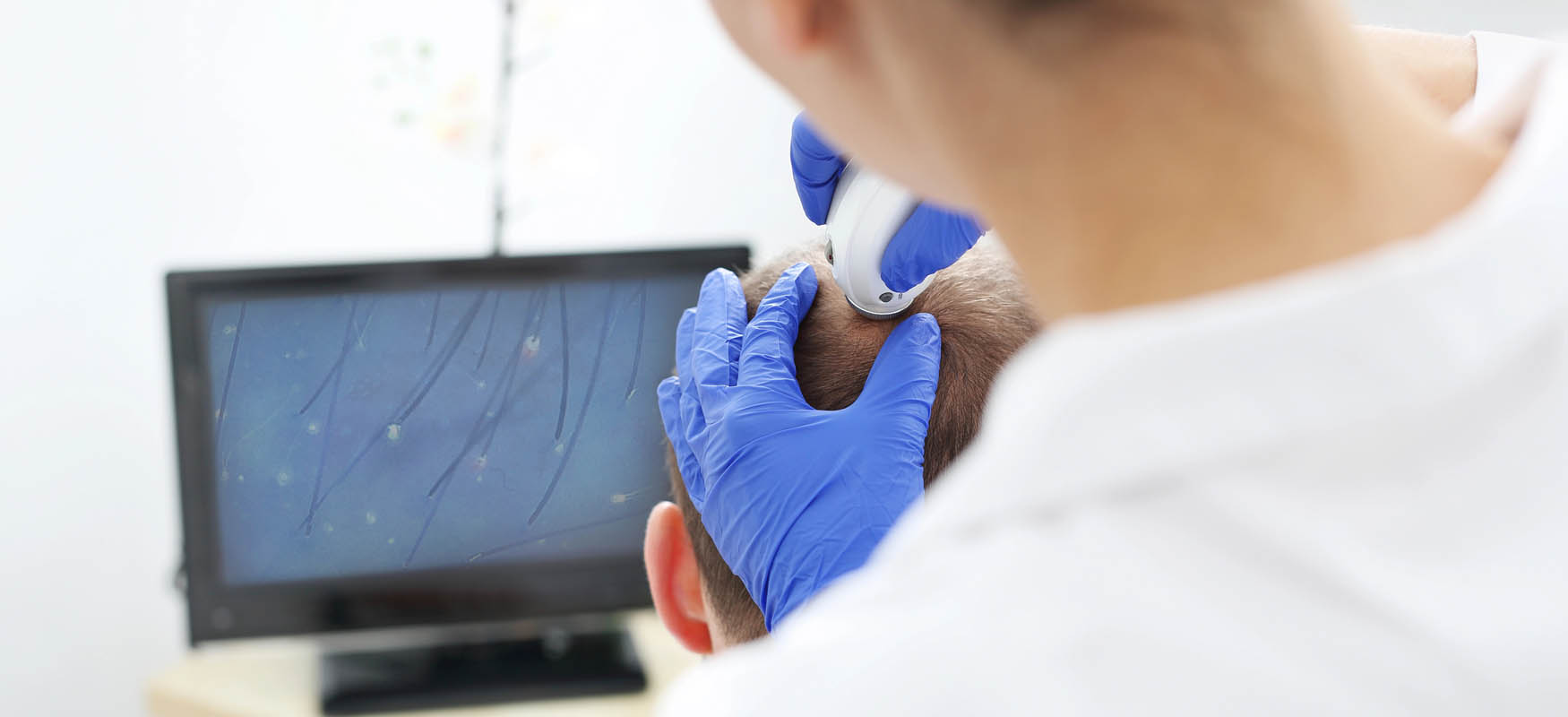
Hair problems such as hair loss, premature graying, loss of shine, or brittleness may result from mechanical damage and improper care, but they can also signal underlying health issues. Causes often include vitamin and mineral deficiencies, hormonal imbalances, or chronic illnesses. To identify the source of the problem and introduce proper treatment, laboratory testing is often necessary.

Continue reading “What tests are needed for hair loss?”

Trichodynia: how to treat scalp and hair pain?

Trichodynia, also known as hair pain, is a condition that can be extremely bothersome for many people. Although often underestimated or ignored, trichodynia significantly affects daily life, causing discomfort and reducing self-confidence. Here we explain this phenomenon, its causes, symptoms, and available treatment options.

Continue reading “Trichodynia: how to treat scalp and hair pain?”

How to prepare for a hair transplant procedure?

Hair transplant is a revolutionary procedure that can restore self-confidence and transform appearance. However, before taking this step, it is important to understand how to prepare for it. Below we explain in detail what to keep in mind to enjoy the desired results!

Continue reading “How to prepare for a hair transplant procedure?”

Dry dandruff – what does it look like and how to get rid of it?

Dry dandruff is one of the most common scalp conditions that affects many people around the world. Although it is not a serious health threat, it can be very bothersome and negatively impact our well-being and self-confidence. In this article, we explain how to recognize dry dandruff and how to treat it effectively.

Continue reading “Dry dandruff – what does it look like and how to get rid of it?”

Benefits of using horsetail for hair

Horsetail for hair has been used for centuries. The popularity of horsetail as a plant is mainly due to its numerous health benefits. In this article, we explain why it can be an excellent addition to your hair care routine, bringing many advantages for the health and appearance of your hair.

What is horsetail?

Horsetail (Equisetum arvense) is a plant from the horsetail family that grows all over the world, especially in temperate climates. It is characterized by narrow, cone-shaped leaves that resemble small twigs. It grows wild in meadows, pastures, and even forests, and its unique properties make it valued in both natural medicine and cosmetics.

How does horsetail affect hair?

One of the main benefits of horsetail for hair is its ability to strengthen the hair structure. This plant contains a high amount of silica, a mineral essential for maintaining hair elasticity and resilience. Regular use of preparations with horsetail extract can help strengthen the hair roots. Horsetail also provides nutrients such as iron, magnesium, and calcium, which play a key role in maintaining the water-electrolyte balance of the scalp, creating optimal conditions for hair growth.

Regular horsetail use can strengthen the hair shaft, preventing breakage. Thanks to its silica content, horsetail improves the structure of the hair, making it more resistant to mechanical damage and external factors such as blow-drying and UV rays. For those wanting to grow long, thick hair, horsetail can be a real remedy. Its growth-stimulating properties help hair grow faster while staying healthy. Regular scalp massages with horsetail-infused oil stimulate blood circulation, which in turn delivers nutrients to the hair follicles, accelerating growth.

Horsetail also has cleansing properties that can help fight dandruff and excessive oiliness. Its mild antibacterial and antifungal action supports a healthy scalp microbiome, eliminating problematic symptoms.

Read more: Which herbs help with hair growth and which for hair loss?

How to use horsetail for hair?

Horsetail can be used in many ways for hair care, depending on your needs and preferences. To prepare a horsetail infusion for hair, place about 2–3 tablespoons of the dried plant into a pot and pour in 3 cups of water. Simmer on low heat for 15 minutes, then strain and let it cool. After washing your hair, massage the infusion into the scalp and hair, leave for 15 minutes, then rinse thoroughly with water.

A scalp tonic and oil are other ways to use horsetail for hair. The tonic is easy to make – prepare it like the infusion, but gently massage it into the scalp and hair. There is also horsetail shampoo – you can buy it in stores or make your own by adding 1–2 tablespoons of horsetail to your shampoo and mixing well.

Why use horsetail for hair loss?

Horsetail for hair loss is popular due to its richness in nutrients. It is one of the best natural sources of silica, which is crucial for collagen production. Collagen is essential for healthy and elastic hair. It strengthens the hair structure, reducing hair fall.

The nutrients in horsetail strengthen hair from root to tip, making it more resistant to damage. Horsetail also stimulates blood circulation in the scalp, which promotes nutrient delivery to the hair follicles. This may accelerate new hair growth and reduce hair shedding. Additionally, horsetail regulates sebum production in the scalp. Excess sebum clogs pores and weakens hair, leading to hair loss. Regular horsetail use helps maintain a healthy sebum balance. The plant also contains anti-inflammatory and antioxidant compounds that support scalp health. Moreover, its cleansing properties help remove impurities and excess sebum.

Horsetail for hair in tablets – how to use it?

Horsetail is also available in tablet form. How to make horsetail tablets for hair effective? The most important thing is to follow the instructions on the packaging. Many people notice that regular supplementation with horsetail tablets strengthens their hair, reduces brittleness, and improves overall condition.

Some users also report that horsetail supplementation accelerates hair growth by stimulating scalp blood circulation. Besides benefits for hair, horsetail may also improve the condition of the skin and nails, making them healthier and stronger.

Horsetail for hair – what results can be achieved?

A “secret treasure” growing in fields and meadows – that’s how horsetail for hair is often described. The effects of this natural remedy can be impressive. It can make hair more resistant to damage and breakage. The minerals in horsetail help maintain scalp water-electrolyte balance, supporting healthy hair growth and preventing dryness. Its circulation-boosting properties also promote the growth of new hair.

Horsetail for hair – uses and indications

Horsetail for hair has many potential uses and benefits. One of the main ones is strengthening hair thanks to the silica it contains. This mineral improves the hair structure, preventing brittleness. Regular horsetail use also stimulates blood circulation in the scalp, supporting hair growth. It is therefore an excellent choice for those who want to improve their hair density and vitality. Horsetail is also used to moisturize and nourish hair, fight dandruff, and protect against damage.

What are the contraindications of using horsetail for hair?

Although horsetail is a natural product with many benefits for hair, there are some contraindications to consider before using it. People allergic to horsetail should avoid it, as it may cause allergic reactions. Horsetail may also dry out certain hair types, so those with dry and brittle hair should use it with caution and ensure regular moisturizing.

Excessive horsetail use may lead to scalp and hair dryness. It is recommended to use it in moderation, e.g., once or twice a week. In addition, people taking medication should consult a doctor before using horsetail, as it may interact with some drugs.

At OT.CO Clinic, we know how important healthy, shiny, and thick hair is for many people. That’s why we offer comprehensive consultations with our cosmetologists and trichologists to choose the right horsetail-based care. We recommend products such as shampoos, infusions, or horsetail hair rinses. Reviews of this type of treatment are very positive among users, which is why horsetail is often included in routines aimed at strengthening hair.

What is nanoplasty and how to do it at home?

Nanoplasty is a modern hair straightening and regeneration treatment that is gaining increasing popularity worldwide. Thanks to advanced technology and the use of nanoparticles, nanoplasty for hair makes it possible to achieve smooth, shiny, and healthy hair without harmful chemicals. Below, we take a closer look at what nanoplasty is, the benefits it offers, and how it can even be performed at home.

Continue reading “What is nanoplasty and how to do it at home?”