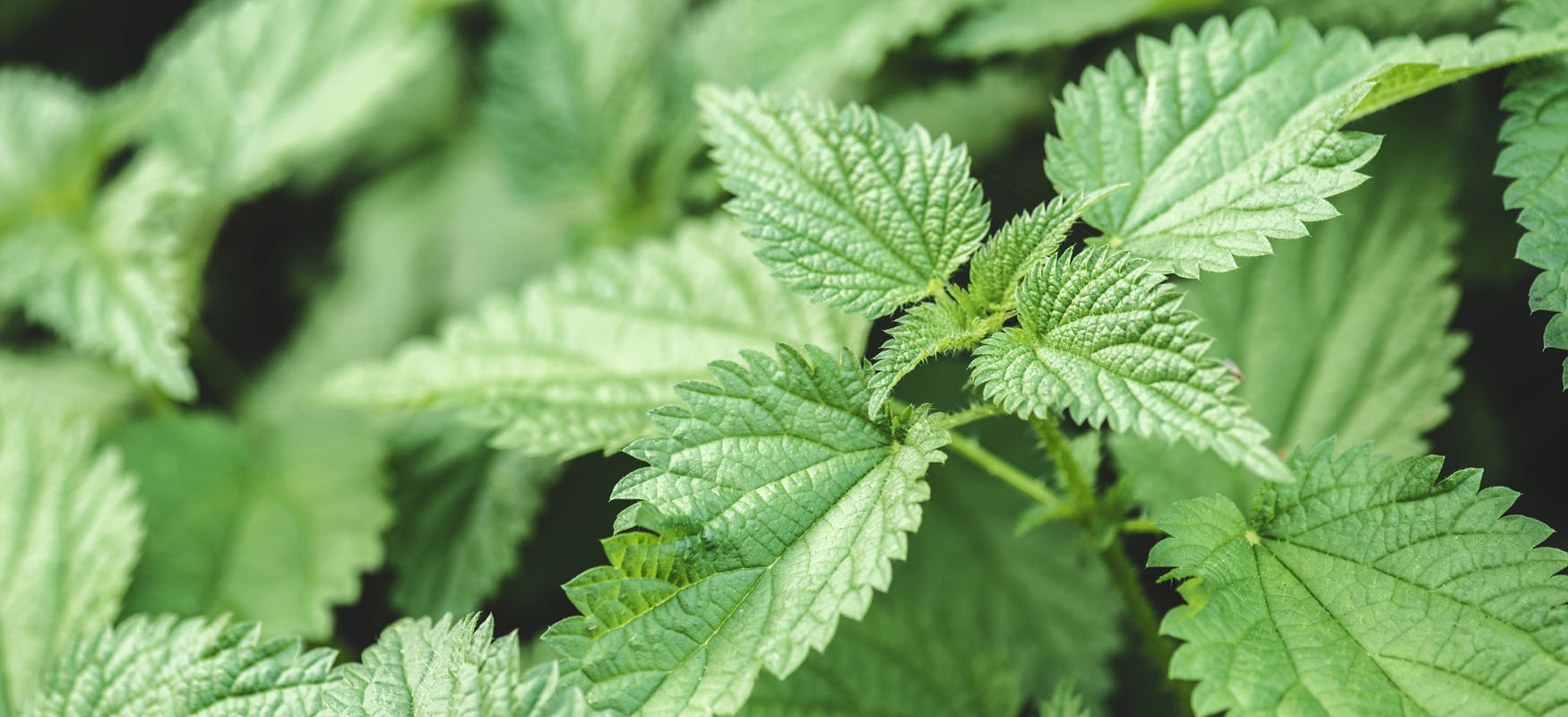
What effect does nettle have on hair and how to use it?

Nettle for hair has been used for many years as a remedy to support hair growth. This plant has been known for centuries for its healing properties. Since ancient times, it has been used in folk medicine as a natural remedy for various ailments, including skin problems, joint pain, and urinary tract conditions. One of the lesser-known but equally valuable uses of nettle is its positive effect on hair. In this article, we will look at the benefits nettle can bring to our hair and how to use it to maximize its beneficial effects.

Continue reading “What effect does nettle have on hair and how to use it?”

Which herbs are good for hair growth and which are good for hair loss?

Herbs for hair can become an ally in the quest to maintain beautiful, shiny, and thick hair. As a result, hair becomes a symbol of health, beauty, and vitality. It is worth remembering that the condition of our hair often reflects our overall health, and problems with hair loss can be a major source of stress. When looking for natural ways to strengthen and stimulate hair growth, it is worth turning to herbs, which have been used for centuries in folk medicine to treat various ailments – including hair-related issues. Below we present the most effective herbs for hair growth.

Continue reading “Which herbs are good for hair growth and which are good for hair loss?”

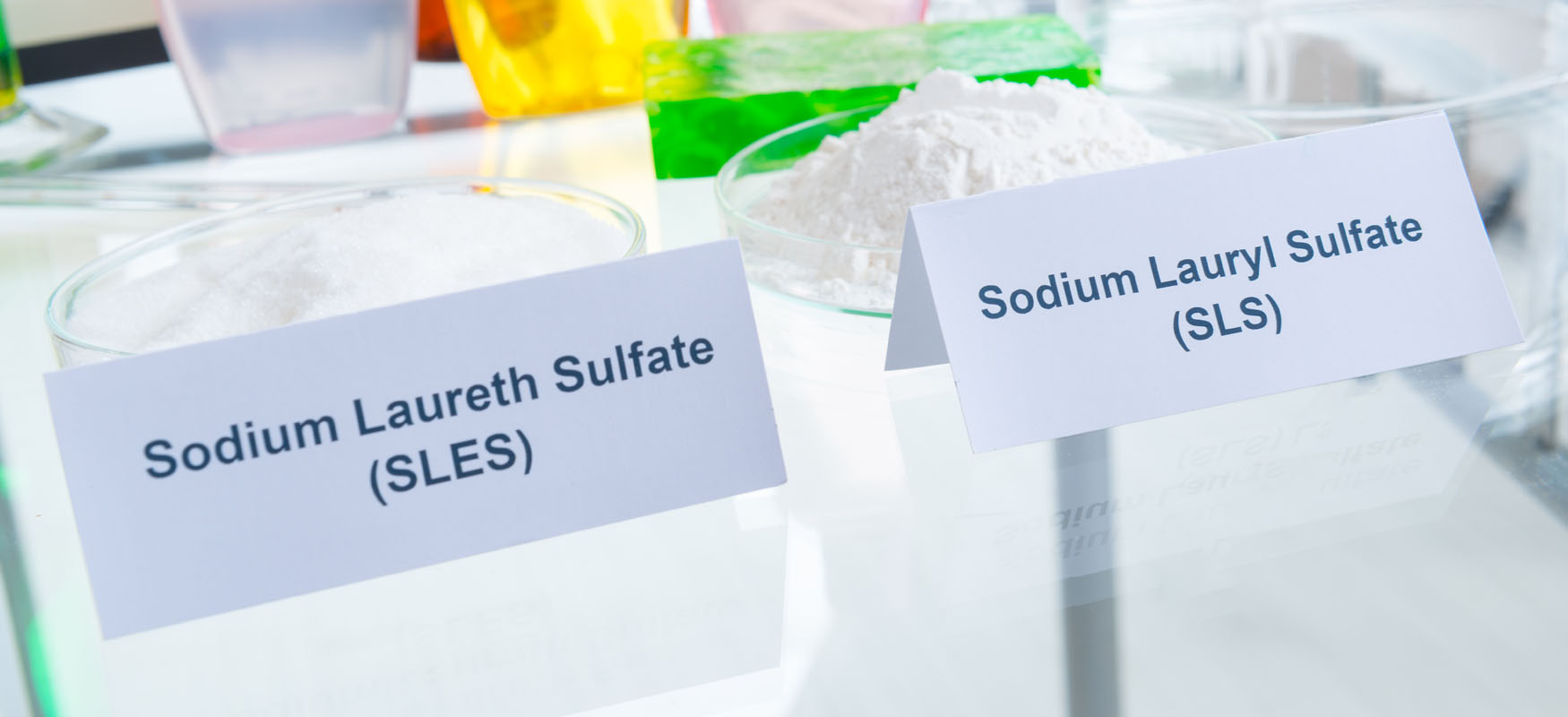
What do SLS and SLES mean?

SLS and SLES are mysterious acronyms that, unfortunately, many people do not know the meaning of. In everyday life, we are surrounded by products that help us maintain cleanliness and hygiene – shampoos, soaps, toothpastes, or detergents. However, few of us pay attention to the ingredients of these products, which often hide these mysterious acronyms, such as SLS and SLES. What do they mean, and what impact do they have on our health and the environment? Let’s explain!

Continue reading “What do SLS and SLES mean?”

What are the causes of hair loss after anesthesia?

Hair loss after anesthesia is quite a common phenomenon that can cause concern among people who experience it. Although it is not always a serious issue, it is worth understanding why it may occur. While the administration of anesthesia is a procedure that should not cause negative health effects, it can have various side effects, and one of them is hair loss. Anesthesia may therefore, in some individuals, worsen their self-esteem due to changes in appearance and hair loss.

Continue reading “What are the causes of hair loss after anesthesia?”

Does dyeing your hair cause it to fall out?

Hair coloring is a practice as old as civilization – from ancient Egyptians, through Renaissance ladies, to modern beauty salons. Today, changing hair color has become one of the most popular cosmetic treatments, allowing people to express themselves and adapt their appearance to evolving trends. However, with growing awareness about hair health and care, questions arise about the potential side effects of dyeing.

In this article, we will look at the facts and myths related to hair coloring. We will also examine the impact of dyes on the hair structure and try to answer the question, does frequent coloring cause hair loss? Want to know how to consciously care for your hairstyle and enjoy a beautiful color without worries? Keep reading.

Continue reading “Does dyeing your hair cause it to fall out?”

Sparse beard: Why does it happen and how to deal with it?

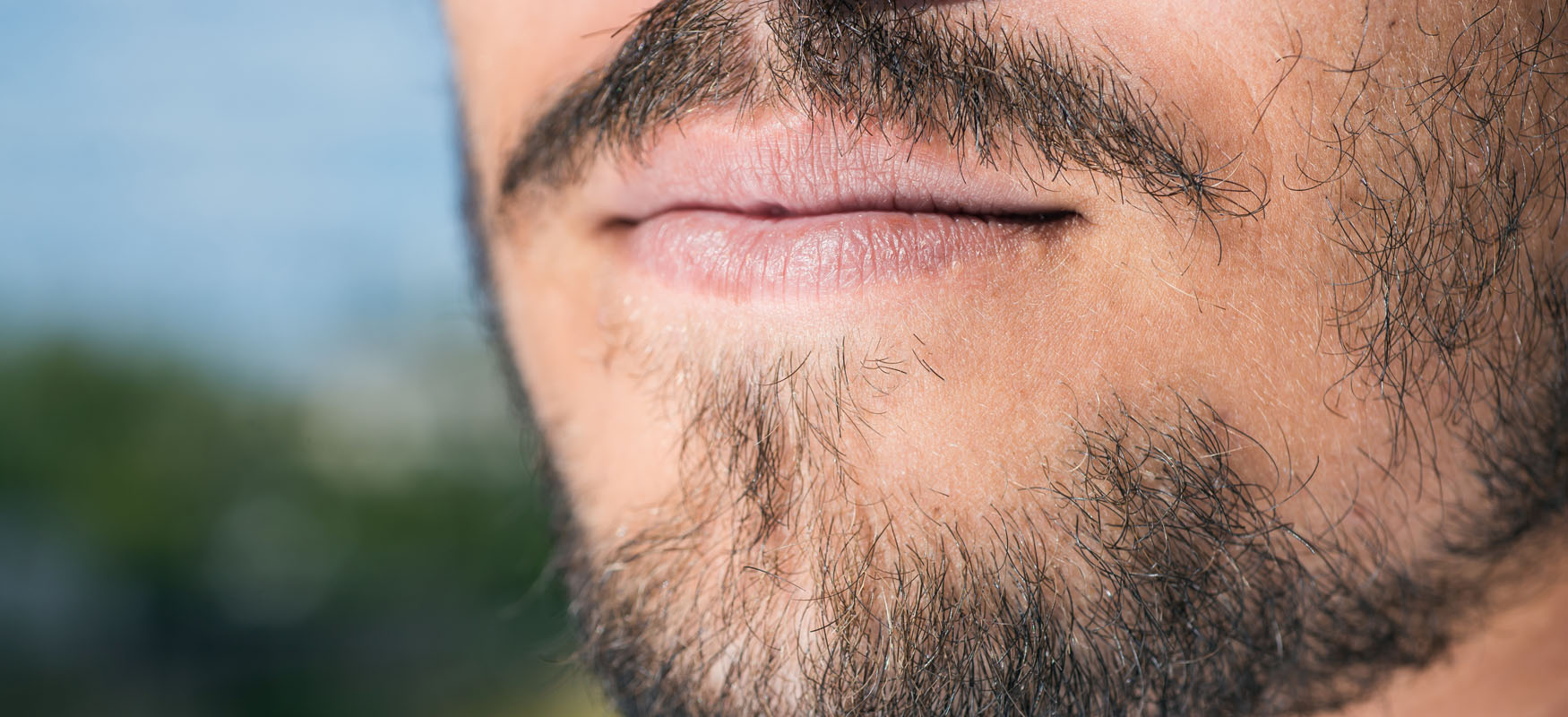
A patchy beard is a problem that unfortunately affects many men – regardless of age. For many, a thick, full beard is considered a symbol of masculinity and attractiveness. Unfortunately, a number of factors such as genetics, improper diet, poor grooming, or hormonal imbalances can influence the quality and density of facial hair. In this article, we discuss the causes of patchy beard growth and how to care for it.

Continue reading “Sparse beard: Why does it happen and how to deal with it?”

How to care for hair after transplant?

Hair after a transplant requires special care in order to achieve the desired effect of visible thickening. A hair transplant is a very important decision that can significantly improve appearance and well-being. Thanks to modern, advanced techniques, the risk of side effects is practically reduced to zero. That is why more and more people decide to undergo this type of procedure. Below we present a comprehensive guide on how to care for hair after a transplant to ensure it remains healthy and beautiful.

What is a hair transplant?

Hair transplant is a procedure that involves moving healthy hair follicles from one area of the body (donor area) to an area affected by thinning or balding (recipient area). This procedure is primarily used to treat androgenetic alopecia, also known as male- or female-pattern hair loss. However, it is also applied in other cases of hair loss.

Doctors currently use several types of procedures. One of them is FUT (STRIP), Follicular Unit Transplantation, which involves removing strips of skin from the donor area (the back of the head), where hair is more resistant to balding. The strip is then divided into small units containing one or more follicles. Another technique is FUE, Follicular Unit Extraction, which involves extracting individual hair follicles directly from the donor area using a special tool.

Read more: What is the difference between STRIP and FUE hair transplant methods?

Regardless of the chosen technique, the hair transplant procedure follows a similar process. Initially, the patient meets with the doctor for a consultation to discuss goals, expectations, and treatment options. The quality of the patient’s hair in the donor area is also assessed. The specialist may order additional diagnostic tests. Once qualified, both the donor and recipient areas are carefully cleaned, and the patient is given anesthesia to minimize discomfort during the procedure.

hair transplant fue warsaw

Depending on the chosen method, hair follicles are harvested, carefully prepared for transplantation, and divided into appropriate units. The surgeon makes tiny incisions in the recipient area where follicles are then precisely placed. This procedure requires great precision to ensure a natural look and proper hair density. After the procedure, the patient receives instructions regarding scalp care and activities to avoid, which could affect healing and the integration of transplanted follicles.

Read more: How to prepare for a hair transplant?

When do hair transplant results appear?

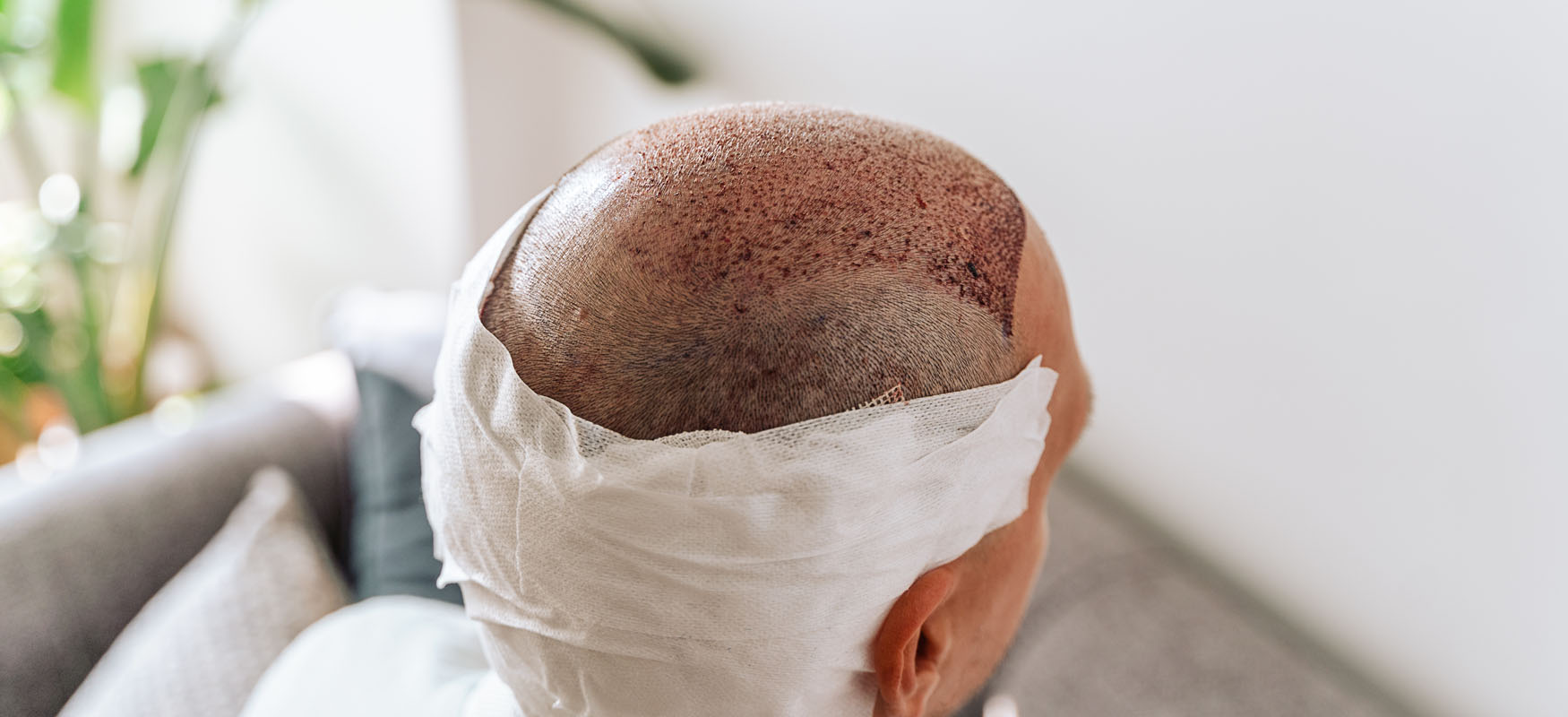
A hair transplant is a process that requires patience, as results are not immediate. Hair follicles need time to root and begin producing new hair. Immediately after the procedure, the recipient area may be swollen and red. These symptoms usually subside within a few days. Small scabs may also form where follicles were transplanted. It is also natural to experience hair shedding after a transplant. Many patients worry that hair falls out after a transplant, but this is a normal process called “shock loss” and should not be a concern. The follicles remain in the scalp and will start producing new hair.

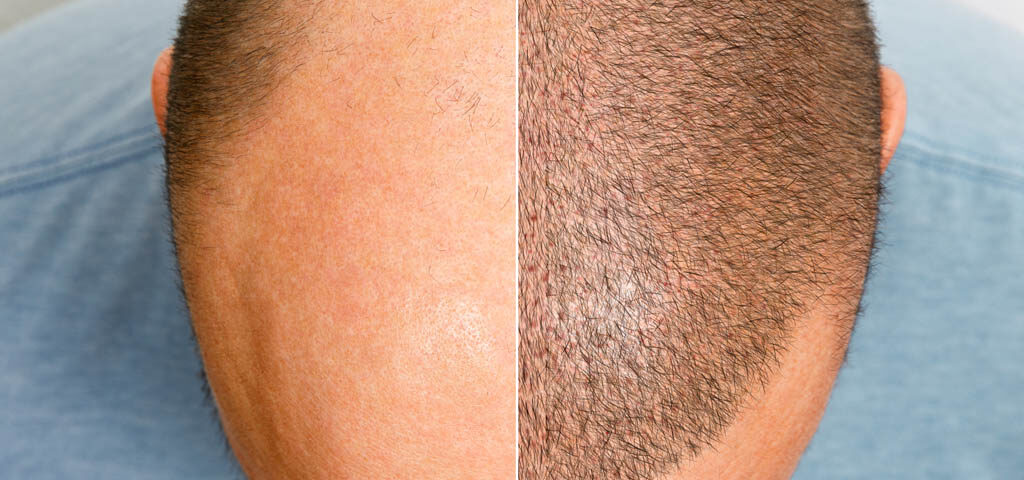
Check hair transplant results

3 months after a hair transplant, hair begins to grow from the transplanted follicles. Initially, it may be thin and delicate, but over time it becomes thicker. After about six months, most patients notice a significant improvement in hair density and length. Full results are usually visible after about a year – this is when you can clearly see hair regrowth after the transplant.

It is worth remembering that every body reacts differently to the procedure, which affects the pace of healing and hair growth. The transplant technique and the surgeon’s skills also influence the final outcome. Following the doctor’s recommendations regarding scalp care and avoiding factors that may damage follicles is crucial to the success of the therapy.

How to care for hair after a transplant?

During the first few days after the procedure, avoid touching the transplanted areas. The scalp is very sensitive during this period, and touching recipient sites may lead to infection or damage to follicles. The first washes should be done according to the doctor’s instructions – usually 48 hours after the procedure. Use a mild shampoo and gently massage the scalp without rubbing. It is also recommended to sleep on your back with your head elevated on a pillow during the first few nights. This helps avoid contact between the transplanted area and the pillow. In addition, patients should avoid physical activity that causes sweating. Sweat irritates the scalp and negatively affects the healing process.

How to wash hair after a transplant?

Washing hair after a transplant is a key element of care and requires special attention to ensure healthy growth of transplanted hair. First of all, the scalp should not be washed during the first two days after the procedure. This is the time when transplanted follicles are settling in the skin. After 48 hours, consult your doctor to make sure you can perform the first wash. Use a gentle, sulfate-free shampoo and lukewarm water.

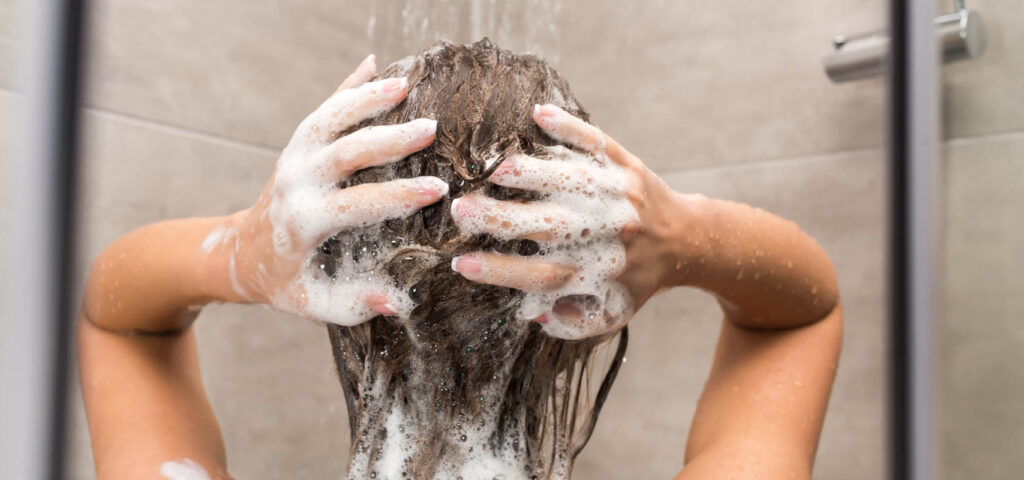
The recommended washing technique involves gently wetting the scalp with light water, avoiding a direct stream on transplanted sites. Next, apply a small amount of shampoo to your hands and gently spread it on the scalp, avoiding rubbing the transplanted areas. Use fingertips to gently massage the scalp to remove impurities and blood residues. Rinse the shampoo with lukewarm water, allowing it to flow freely over the scalp without direct pressure. The next step is gently drying the scalp with a soft towel or gauze, without rubbing or pressing on the transplanted sites. Hair after a transplant should be washed every other day using this same technique.

washing hair

Sulfate-free shampoos, which are gentle on the scalp, are recommended. You can also use products specifically designed for hair after a transplant. However, it is important to remember that during the first weeks after the procedure, conditioners and styling products should not be used as they weigh down the hair and scalp.

Why is aftercare important following a hair transplant?

Proper scalp care plays a crucial role in the healthy growth of transplanted hair. The scalp is the environment where follicles develop and grow, so its condition directly affects hair health. The scalp has a natural pH that supports healthy hair growth. Too much or too little acidity can lead to scalp problems such as dandruff, itching, or dryness, which in turn affect hair growth. Maintaining the correct pH with mild shampoos and proper care can prevent these issues and create a favorable environment for new hair growth.

Just like the rest of the skin, the scalp requires proper hydration and nourishment. Lack of these can lead to dryness, which contributes to hair fragility and weakness. Regular use of moisturizing products or natural oils can help keep the scalp healthy and promote hair growth.

Additionally, impurities, sebum, dead skin cells, and product residues can accumulate on the scalp, disrupting the natural hair growth cycle. Regular cleansing with mild shampoos helps remove these impurities and maintain scalp health.

At OT.CO Clinic, we fully understand that hair after a transplant requires special care. That is why, in addition to the precision with which we perform every procedure, we also provide regular follow-ups for our patients. During these visits, we thoroughly explain all information related to scalp care.

Eyelash and eyebrow loss – not just an aesthetic problem

Hair loss from eyebrows and eyelashes is a problem that can affect anyone, regardless of gender. It may seem like a rare phenomenon, but many people experience hair loss in these areas. The causes can be diverse and, although sometimes the loss of eyebrows and eyelashes is the result of an accident and occurs suddenly, more often we observe a gradual process, which can be equally frustrating.

However, there is no reason to worry. Experts have studied the issue and are ready to share their knowledge about the causes of this phenomenon. Moreover, in many cases, the loss of eyebrows and eyelashes is a reversible process, and appropriate treatment methods can bring quick and effective results. In this article, we take a closer look at the problem, offering not only insight into its causes but also possible solutions.

Continue reading “Eyelash and eyebrow loss – not just an aesthetic problem”

How to care for thin hair? TOP 10 tips

Thin hair is a problem faced by many women and men, regardless of age. Fortunately, thanks to advanced care techniques and the right cosmetics, such hair can gain volume and look fresh and full. Below we present the most important tips that will help you achieve this effect.

Continue reading “How to care for thin hair? TOP 10 tips”

Do energy drinks cause hair loss?

Research conducted in China sheds new light on the potential risks associated with regular consumption of energy drinks. The results indicate that consumers of these drinks may be as much as 42% more susceptible to hair loss, which particularly affects men.

In this article, we will take a closer look at the relationship between energy consumption and hair loss. We will also present available methods of treating this disturbing phenomenon.

Continue reading “Do energy drinks cause hair loss?”

What does a visit to a trichologist look like?

A visit to a trichologist is not unheard of these days. Many people struggle with hair and scalp problems. Excessive hair loss, dandruff, baldness, itchy scalp or other ailments can significantly affect our well-being and self-confidence. In such cases, it is worth considering visiting a trichologist – a specialist who diagnoses and treats hair and scalp problems. Excessive hair loss is a very serious problem known as alopecia. Which doctor should I then go to and how should I prepare for the visit? We explain!

Continue reading “What does a visit to a trichologist look like?”