
Eating disorders and hair loss – how to stop them?

Eating disorders such as anorexia, bulimia, and orthorexia are mental health conditions that deeply and often destructively affect the entire body – including the skin, nails, and hair. For many people struggling with these problems, hair loss becomes one of the first visible symptoms and a major source of stress and lowered self-esteem. While the causes of eating disorders are complex and require specialist psychological support, their physical consequences – including alopecia – can often be alleviated or even stopped with proper diagnosis and medical care.

Continue reading “Eating disorders and hair loss – how to stop them?”
Anagen effluvium. How to recognize and treat it?

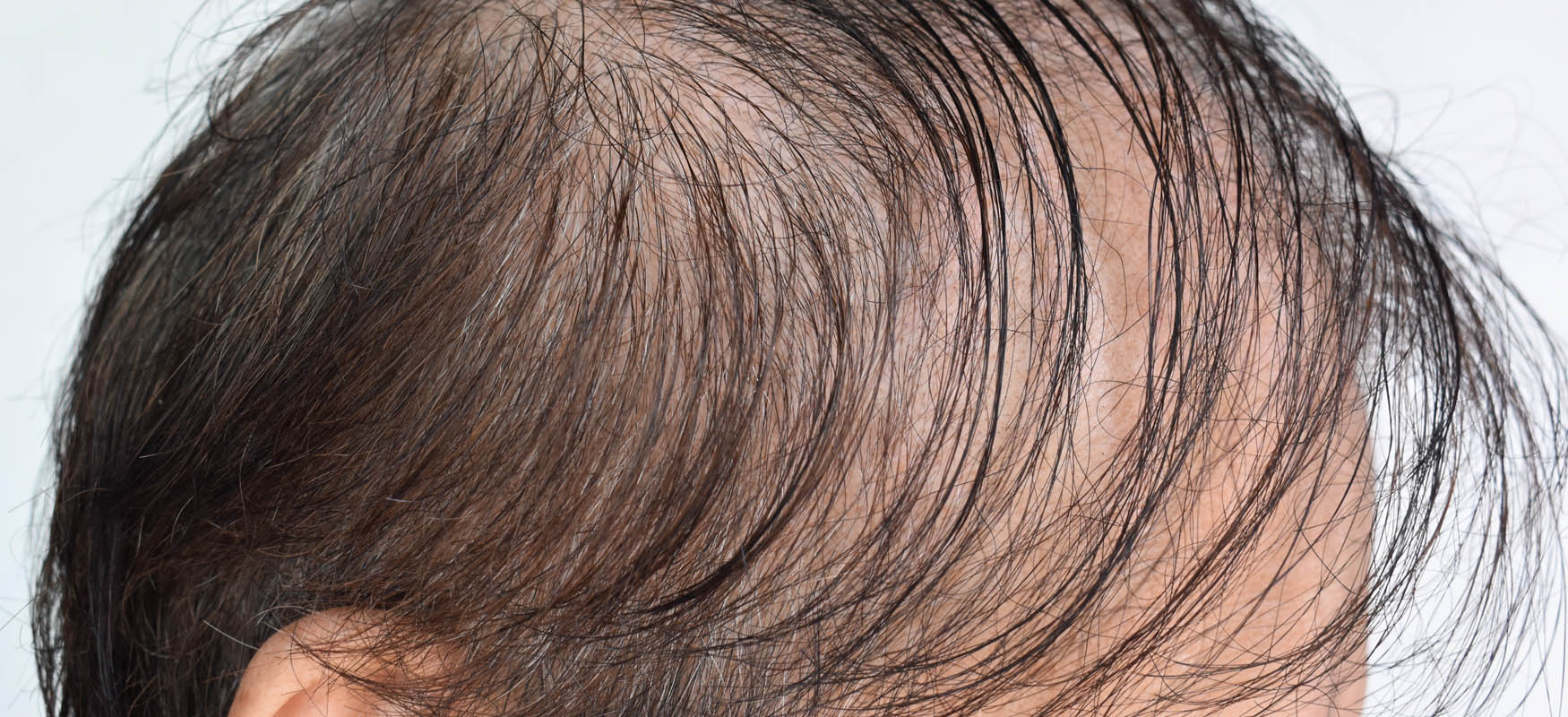
Hair loss can have different causes, and its nature depends, among other things, on the phase of the hair growth cycle in which the disturbance occurs. The two most commonly diagnosed types are anagen effluvium and telogen effluvium. Although for the patient both mean hair loss, their mechanisms and treatments differ fundamentally. In this article, we explain what exactly anagen effluvium is, how to distinguish it from telogen effluvium, and what can be done to treat it.

Continue reading “Anagen effluvium. How to recognize and treat it?”

Oily dandruff. What does it look like and how to get rid of it?

Oily dandruff, also known as seborrheic dermatitis, is one of the most troublesome scalp conditions affecting many people. While it may appear on different parts of the body, it most often affects the scalp, causing not only physical but also psychological discomfort. Below we explain what oily dandruff looks like, its causes, and the treatment methods that can help eliminate it.

Continue reading “Oily dandruff. What does it look like and how to get rid of it?”

Trichodynia: how to treat scalp and hair pain?

Trichodynia, also known as hair pain, is a condition that can be extremely bothersome for many people. Although often underestimated or ignored, trichodynia significantly affects daily life, causing discomfort and reducing self-confidence. Here we explain this phenomenon, its causes, symptoms, and available treatment options.

Continue reading “Trichodynia: how to treat scalp and hair pain?”

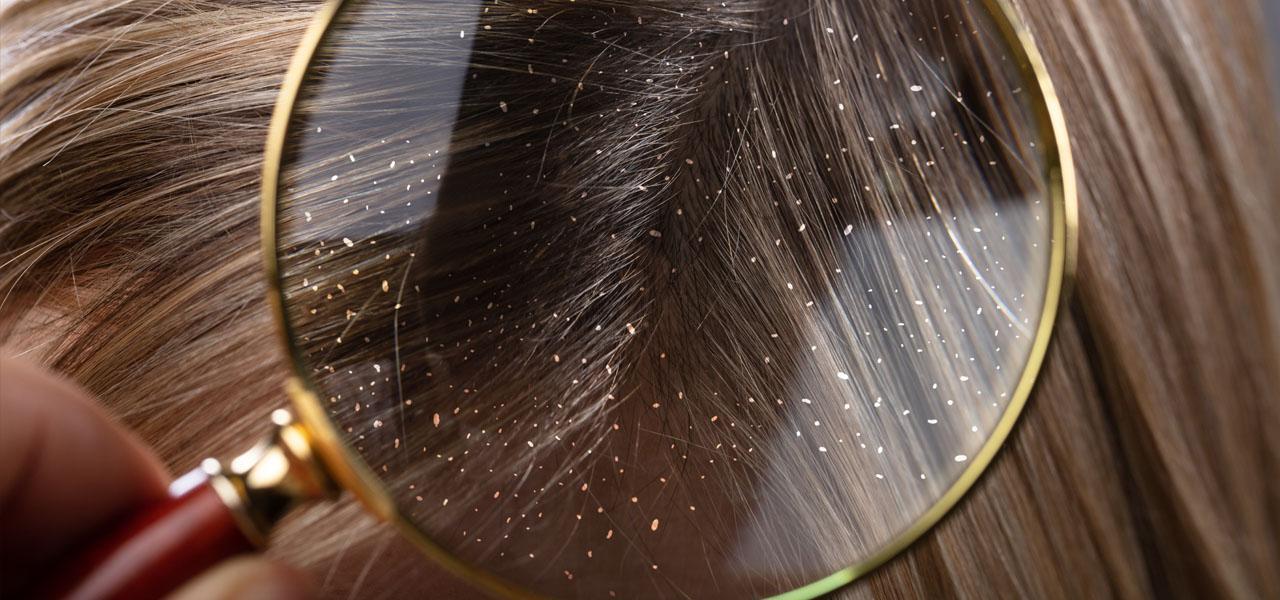
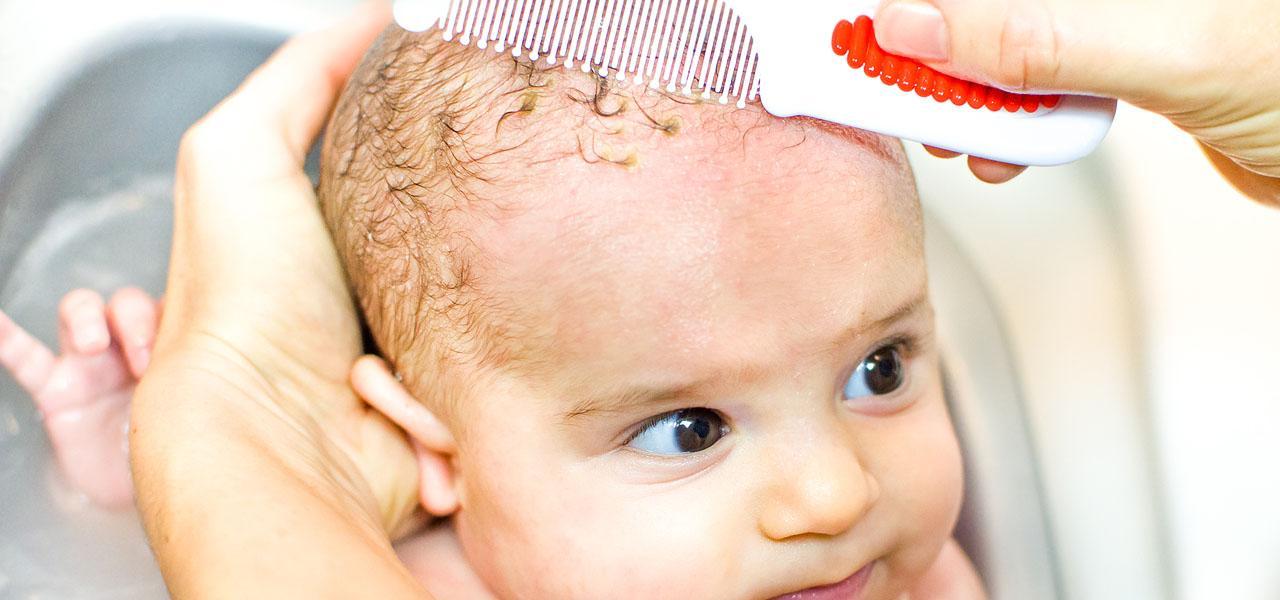
Dry dandruff – what does it look like and how to get rid of it?

Dry dandruff is one of the most common scalp conditions that affects many people around the world. Although it is not a serious health threat, it can be very bothersome and negatively impact our well-being and self-confidence. In this article, we explain how to recognize dry dandruff and how to treat it effectively.

Continue reading “Dry dandruff – what does it look like and how to get rid of it?”

Hypertrichosis: or “Werewolf Syndrome”. Learn the causes!

Hypertrichosis is otherwise known as werewolf syndrome. The cause is very simple – the disease is distinguished by the presence of excessive hair, which appears in every area of the body. It is a rare condition that affects both men and women of different age ranges. Noteworthy is the fact that the condition does not have an endocrine basis. What are its causes?

Continue reading “Hypertrichosis: or “Werewolf Syndrome”. Learn the causes!”

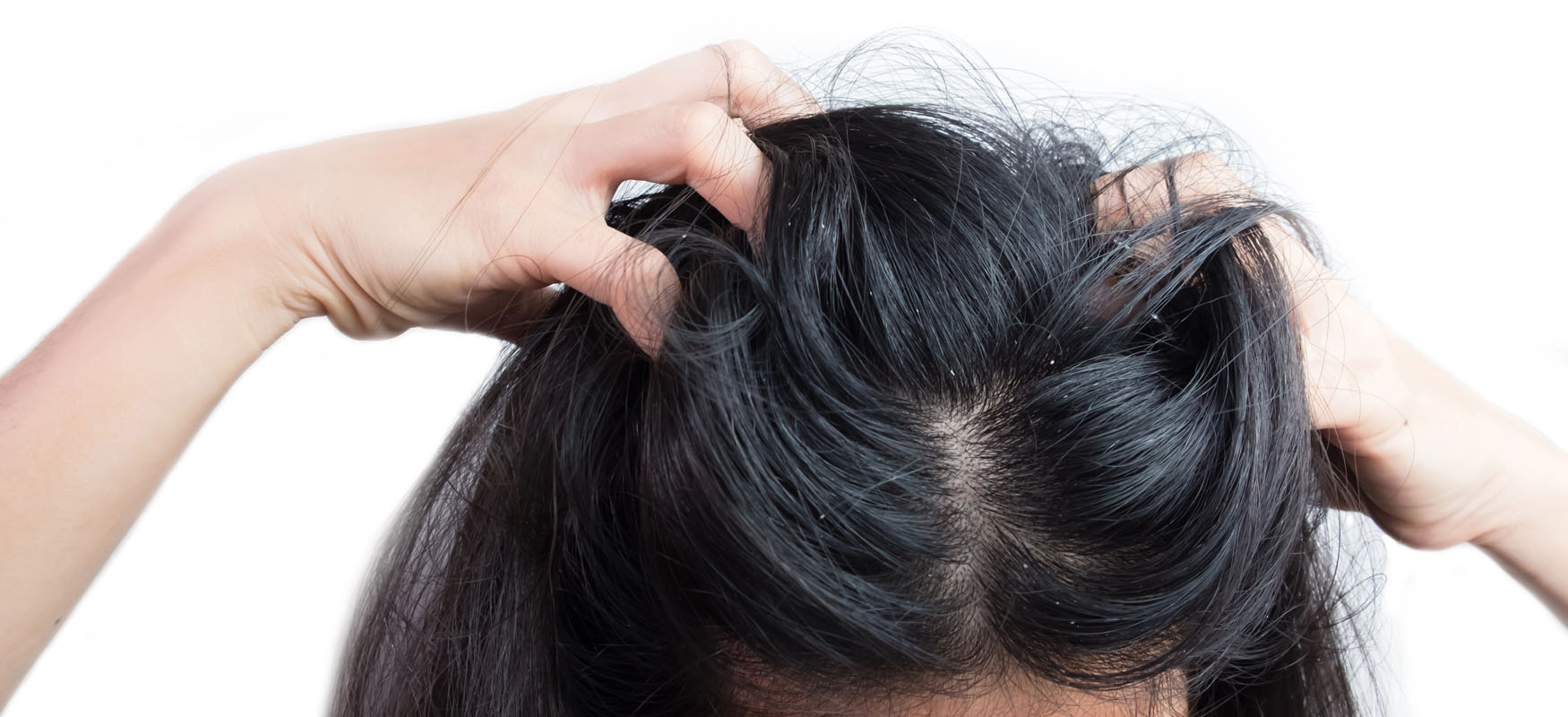
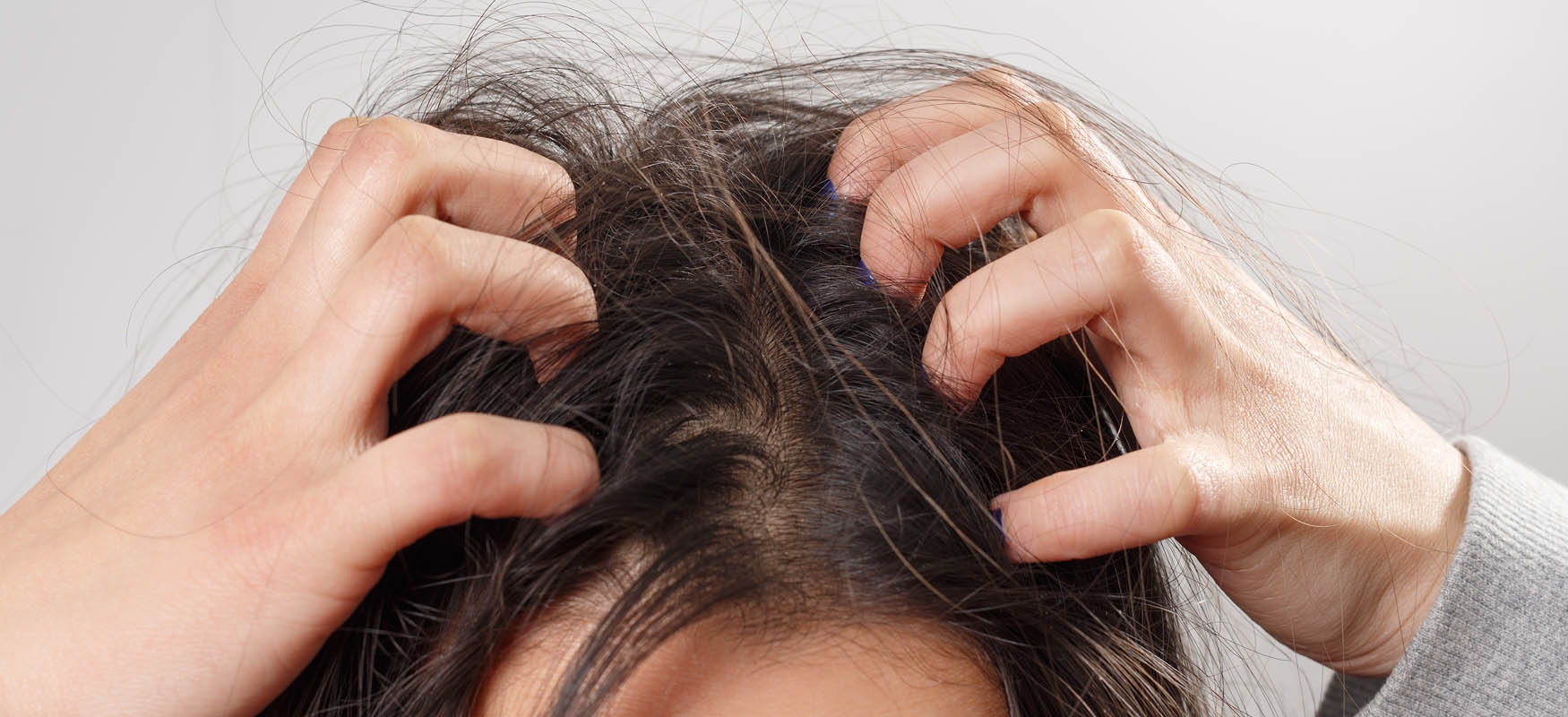
Itchy scalp: What causes unpleasant symptoms?

Itchy scalp is not only a very bothersome problem but also a symptom of many conditions. Patients who experience this issue often blame it on improper hair care and treat it as a cosmetic defect. When neglected, however, it can become a serious condition that may lead to temporary or even permanent hair loss! So, what are the causes of scalp itching?

Continue reading “Itchy scalp: What causes unpleasant symptoms?”

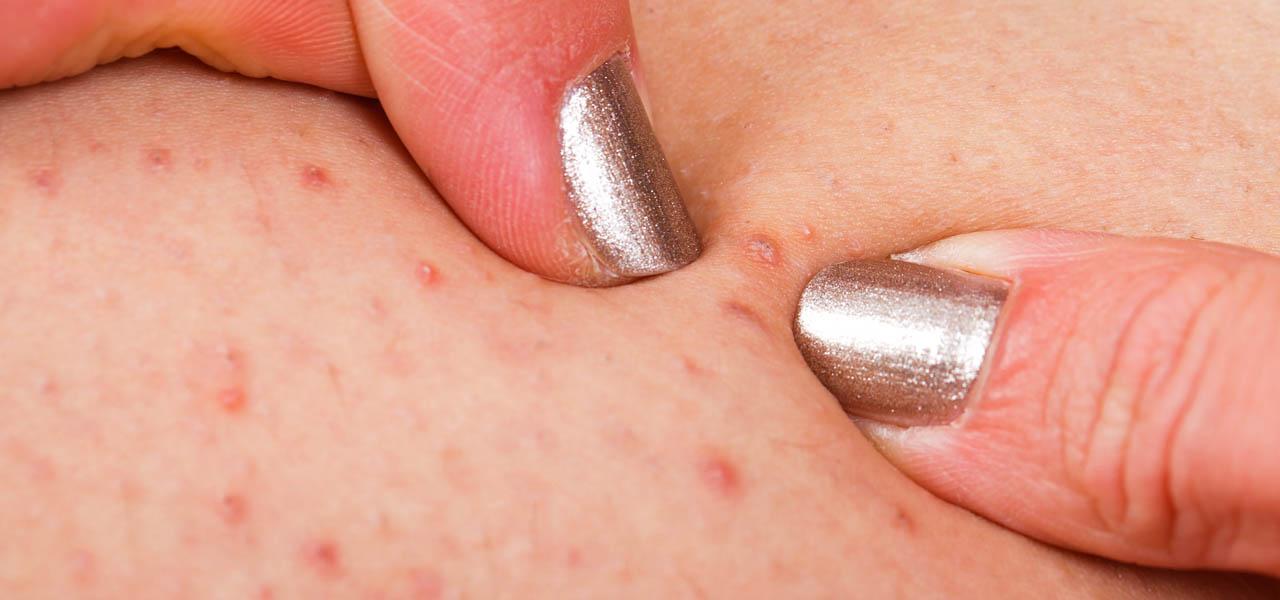
Folliculitis: causes, symptoms, and treatments

Folliculitis is a bacterial infection that can spread quickly. It is a bothersome condition, and if left untreated, it can lead to serious ailments and diseases. For this reason, it is worth knowing what causes folliculitisand how it manifests itself, in order to start a treatment at the right time. How to recognize the symptoms of inflammation of the hair follicles on the head?

Continue reading “Folliculitis: causes, symptoms, and treatments”

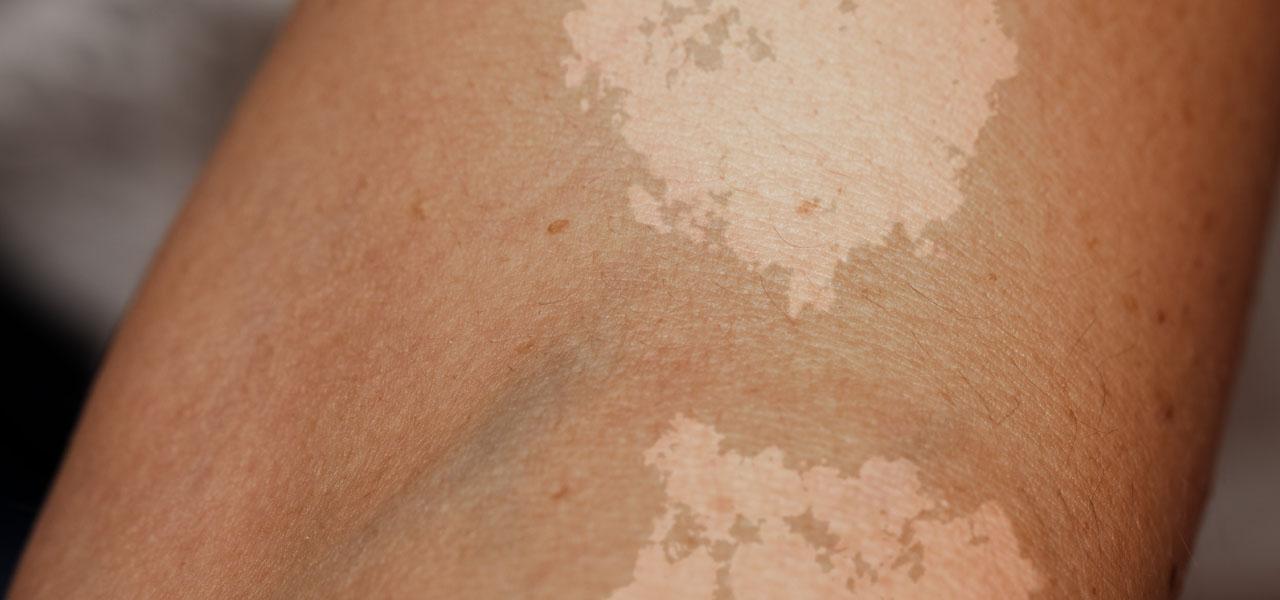
Understanding tinea versicolor – symptoms and treatment options

Although the word “dandruff” is associated with diseases of the scalp, it can also affect other parts of the body and does not have to take the classic form of exfoliating epidermis. But what does tinea versicolor look like and what to use to get rid of unsightly spots on the skin?

Continue reading “Understanding tinea versicolor – symptoms and treatment options”

Hirsutism: What is it? Causes, diagnosis, treatment

Hirsutism – although the word sounds like a disease, it is not a disease at all. Excessive hair is a symptom of various diseases. It is estimated that 35% of women struggle with the problem of excessive hair. Find out about this occurrence, the causes of it, and ways to treat excessive hair.

Continue reading “Hirsutism: What is it? Causes, diagnosis, treatment”

The 3 most common scalp diseases

Check out the 3 most common scalp diseases! The scalp is a rather unusual area of ​​skin, compared to the rest of the human body. It has many receptors, and it also produces a large amount of sebum. The quite dark and warm environment on the scalp, is a friendly place for the development of various diseases. Many conditions are mainly caused by improper scalp care. Care products should be chosen based on the type of hair. Hair is considered as an ornament and has a protective function against solar radiation. For many people, hair is a very important part of their image.
Continue reading “The 3 most common scalp diseases”