
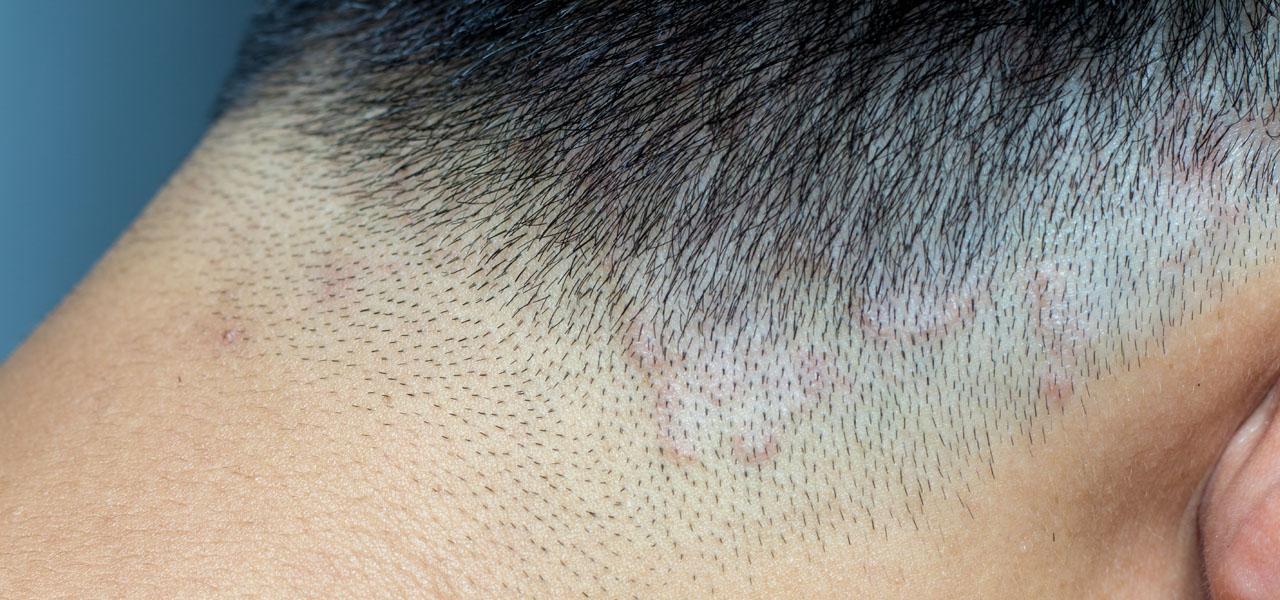
Ringworm of the scalp (also known as scalp mycosis) is a very common disease. It is caused by fungi, which are a permanent element of the human skin. In case of their invasion, an inflammation occurs. This is a very contagious disease, which is distinguished by a rather long recovery process. As it turns out, it is very easy to become infected with mycosis by having contact with an already infected person.
Category: Scalp Diseases
Hair is a natural frame of the face. Even a slight change in hairstyle or length is noticeable. Therefore, any changes of the condition around the scalp is disturbing, and bothersome Unfortunately, hair diseases are very often associated with baldness. Fortunately, we can reverse this process.
Diseases of the scalp and hair? We will help to solve all problems
Improper care and inadequate cosmetics can cause dandruff, psoriasis, mycosis or seborrheic dermatitis. A special case is trichotillomania, which is when your own hair is pulled out, often caused by stress. Diseases such as androgenetic alopecia or alopecia areata are associated with hair loss. Visit us, and we will properly diagnose and solve your problem. Our patients always leave the clinic with relief and a smile on their faces.
We offer effective treatment and proven procedures
The Esthetic Medicine Clinic OT.CO in Warsaw is equipped with specialized equipment, needed for the diagnosis and treatment of skin and hair diseases. The trichologist’s office offers modern and effective treatments, that will allow you to forget all of your hair problems. Appropriate forms of treatment will improve the condition of the skin and help with getting rid of the problem of baldness. We use treatments that stimulate hair growth, like the modern FUE method, thanks to which we can fill cavities, carboxytherapy and many more. Learn more about it on our blog!
Dandruff. Causes, symptoms, treatment
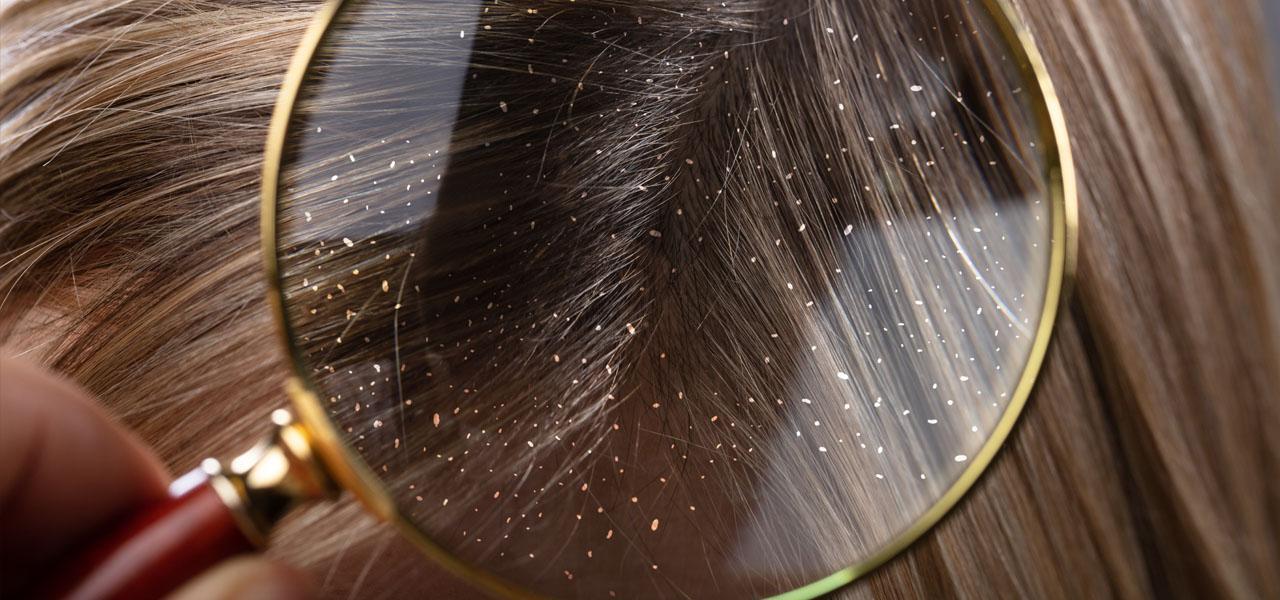
Dandruff is a skin disease; it occurs regardless of gender or age. Dandruff tends to come back, and the large visibility of symptoms is a fairly big aesthetic problem. Thanks to modern treatments, you can get rid of dandruff forever. Patients with dandruff must pay attention to the daily care of the scalp and ensure a diet.
Telogen effluvium: Causes, treatment
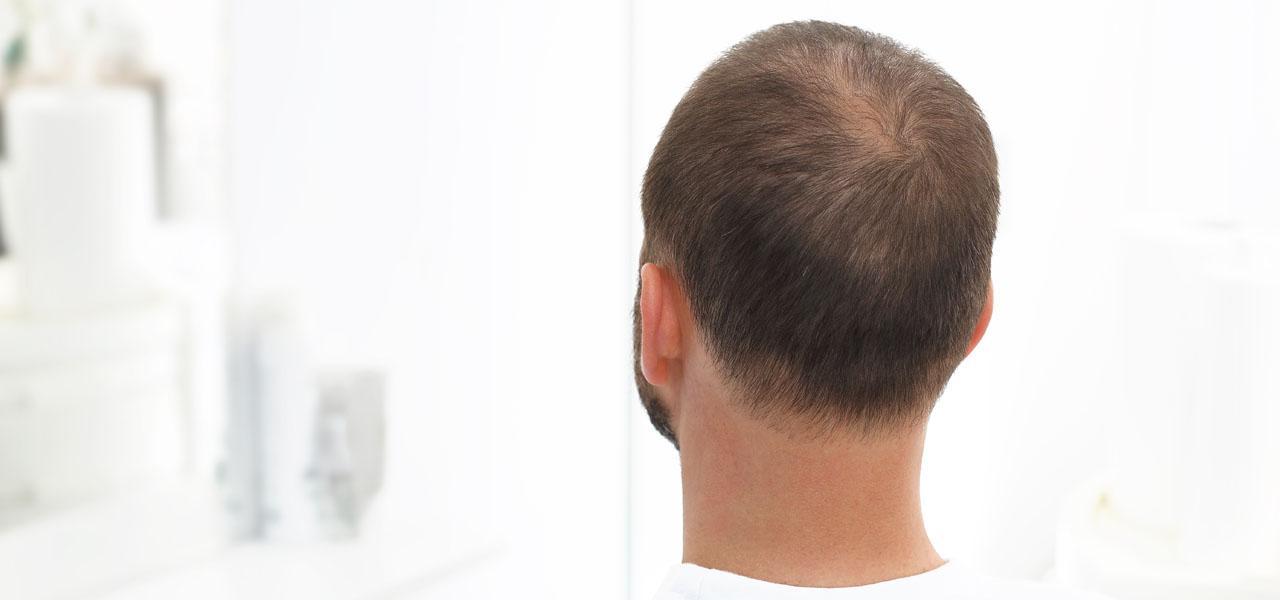
One of the most common causes of hair loss, for both men and women, is telogen effluvium. Alopecia is caused by extending the resting phase of the hair. The cause of telogen effluvium is a disorder of the body’s balance, e.g. hormonal disorders, inadequate diet, stress or concomitant diseases. During the treatment, the most important thing is to detect the cause of the problem and remove it. The implementation of an effective treatment means hair regeneration and disappearance of the thinning, within a few months.
Trichotillomania how to treat it? Causes and symptoms
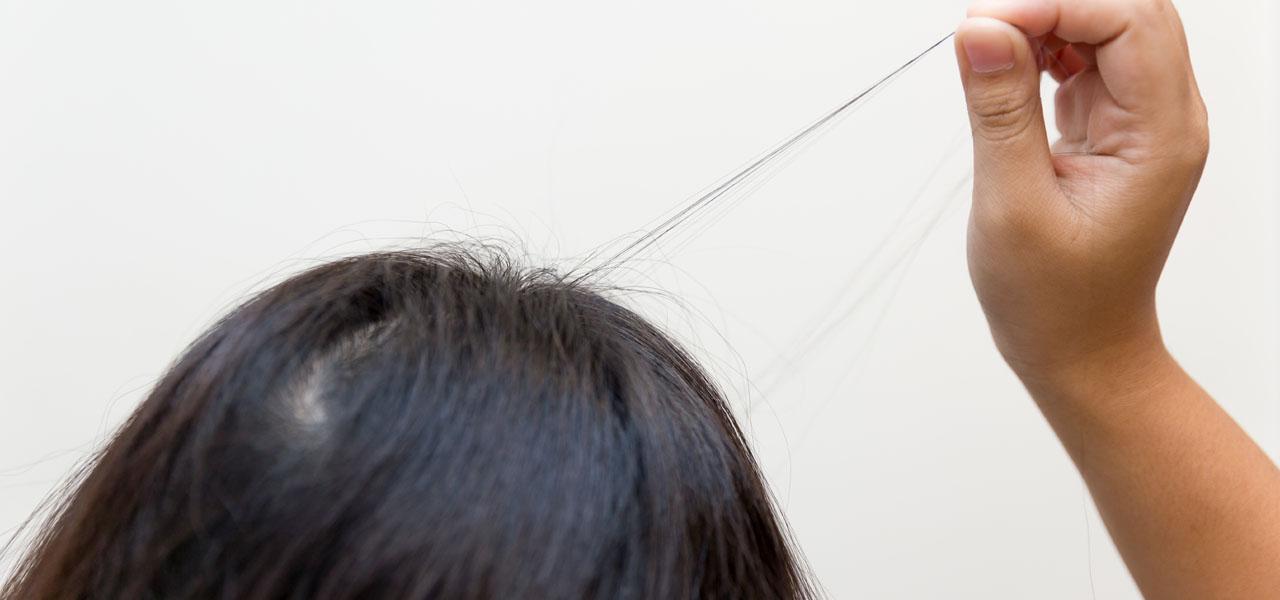
Hair is quite an important element of appearance for many people. Every day, we devote a lot of time to style and care for our hair, to maintain the good condition. However, some people experience the problem of compulsive hair pulling, which is a mental disorder. Patients usually pull hair from their own scalp, less often eyebrows or eyelashes. The solution to this problem is oral treatment with antidepressants and therapy with a psychologist or psychiatrist. Medical procedures can be very helpful during the treatment, e.g. FUE hair transplantation, mesotherapy and radiation.
Continue reading “Trichotillomania how to treat it? Causes and symptoms”
Scalp psoriasis: symptoms, causes, and treatment options
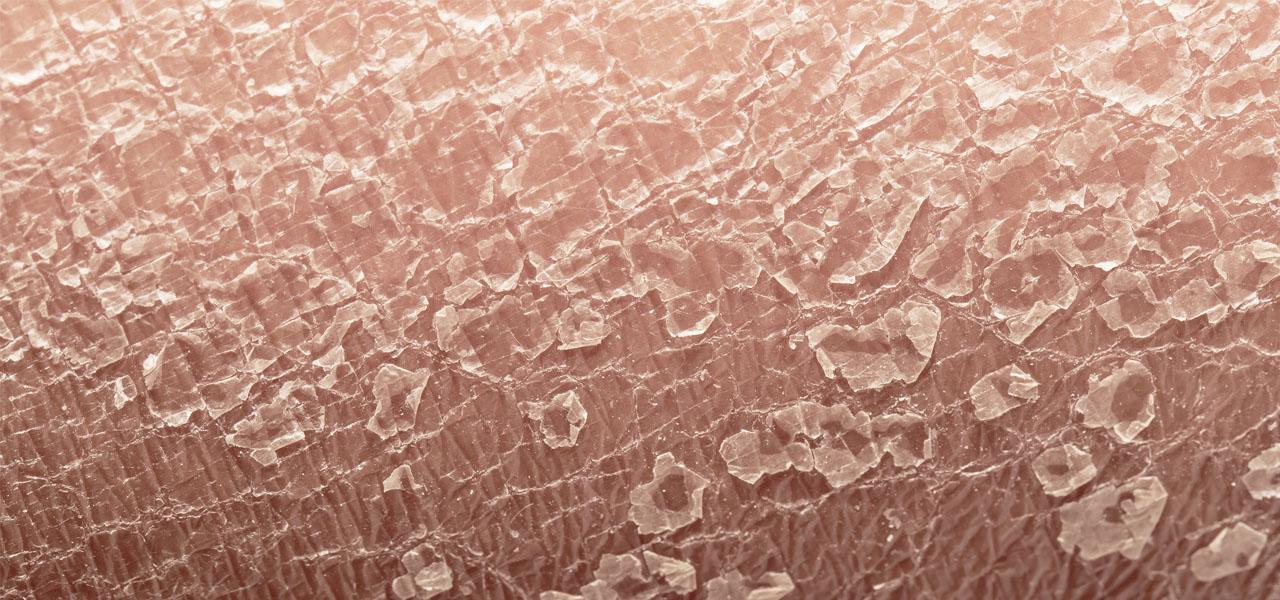
Scalp psoriasis is quite a chronic disease. Patients often struggle with periods of remission and exacerbation, that alternate. The characteristic symptoms of this disease are flaky patches of skin, under which there is red tissue. Fortunately, you can fight psoriasis effectively, and the key to success is a good diagnostic and a high-quality treatment.
Continue reading “Scalp psoriasis: symptoms, causes, and treatment options”
Pimples and scabs on the head. Causes, prevention
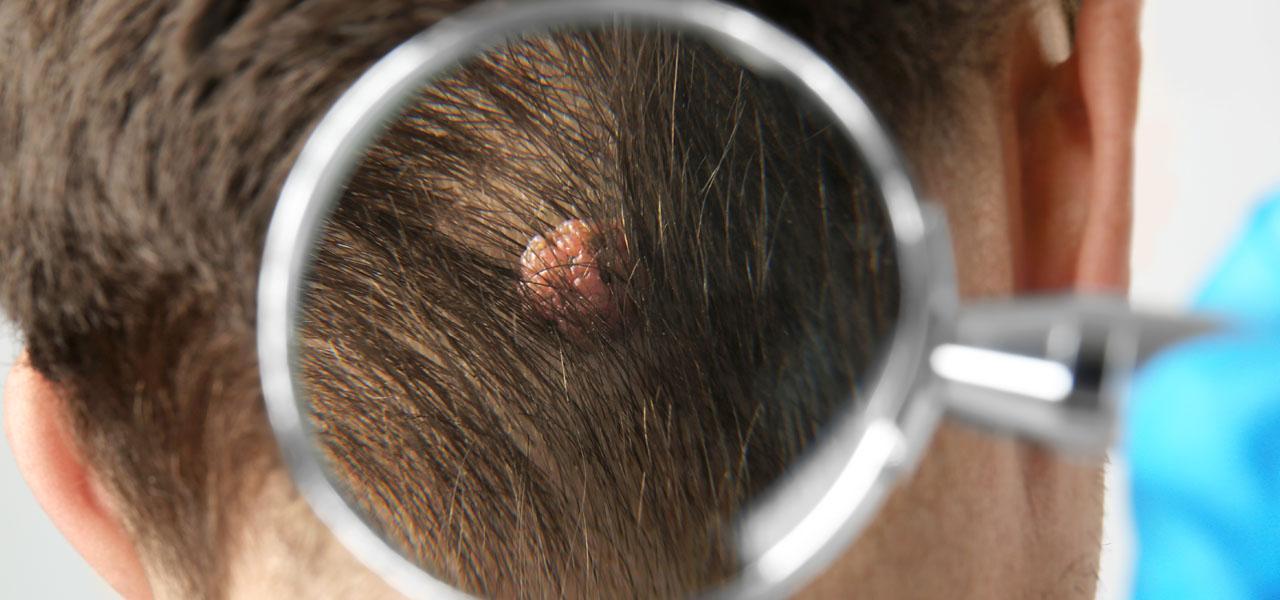
Skin changes in the form of pimples on the scalp can occur in many people. These embarrassing and troublesome symptoms may appear at different ages. The causes behind this problem can vary, and it is worth taking a closer look at them.
Continue reading “Pimples and scabs on the head. Causes, prevention”
Scarring alopecia – causes, symptoms and treatment
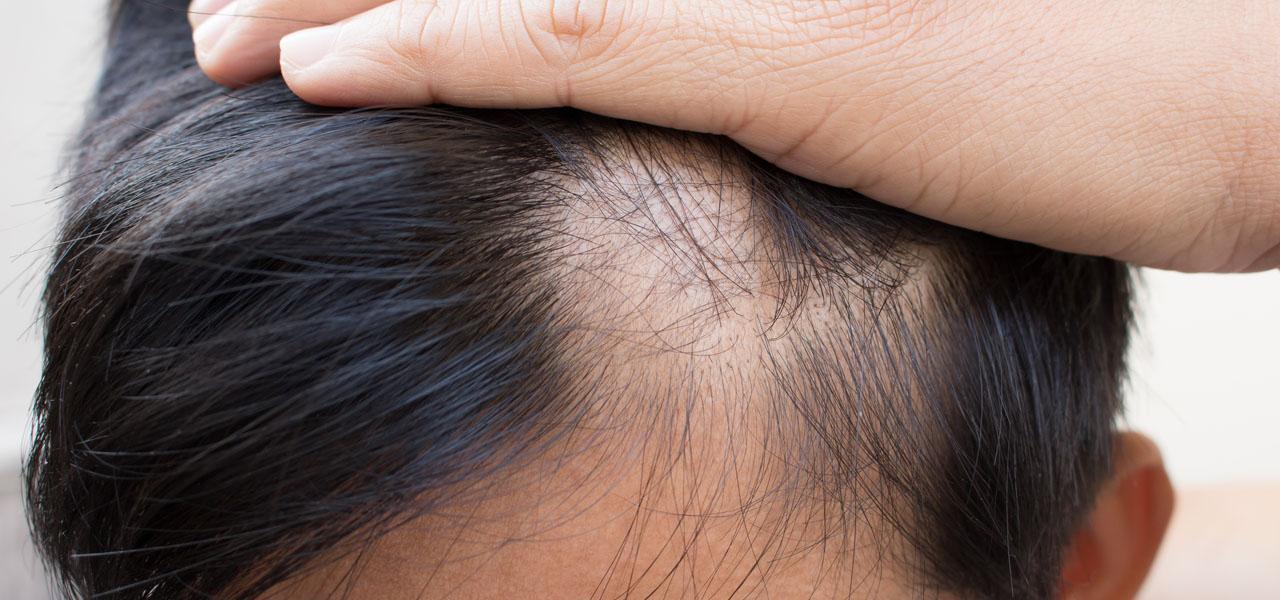
Scarring alopecia is a condition that leads to irreversible hair loss. Hair follicles are replaced by fibrous connective tissue and hyalinized collagen. This disorder was first described in medicine only about twenty years ago. Since then, many cases have been documented, and the disease remains quite difficult to treat. Scarring alopecia can result from various causes and may be a consequence of serious systemic diseases or congenital defects. It is a very rarely diagnosed type of alopecia that not only causes hair loss but also inflammation of the scalp. Hair follicles are permanently damaged, which means irreversible baldness in the affected areas. It is worth taking a closer look at the causes, symptoms, and treatment of this rare condition.
Continue reading “Scarring alopecia – causes, symptoms and treatment”
Seborrheic dermatitis of the scalp. Causes, treatment of seborrheic dermatitis
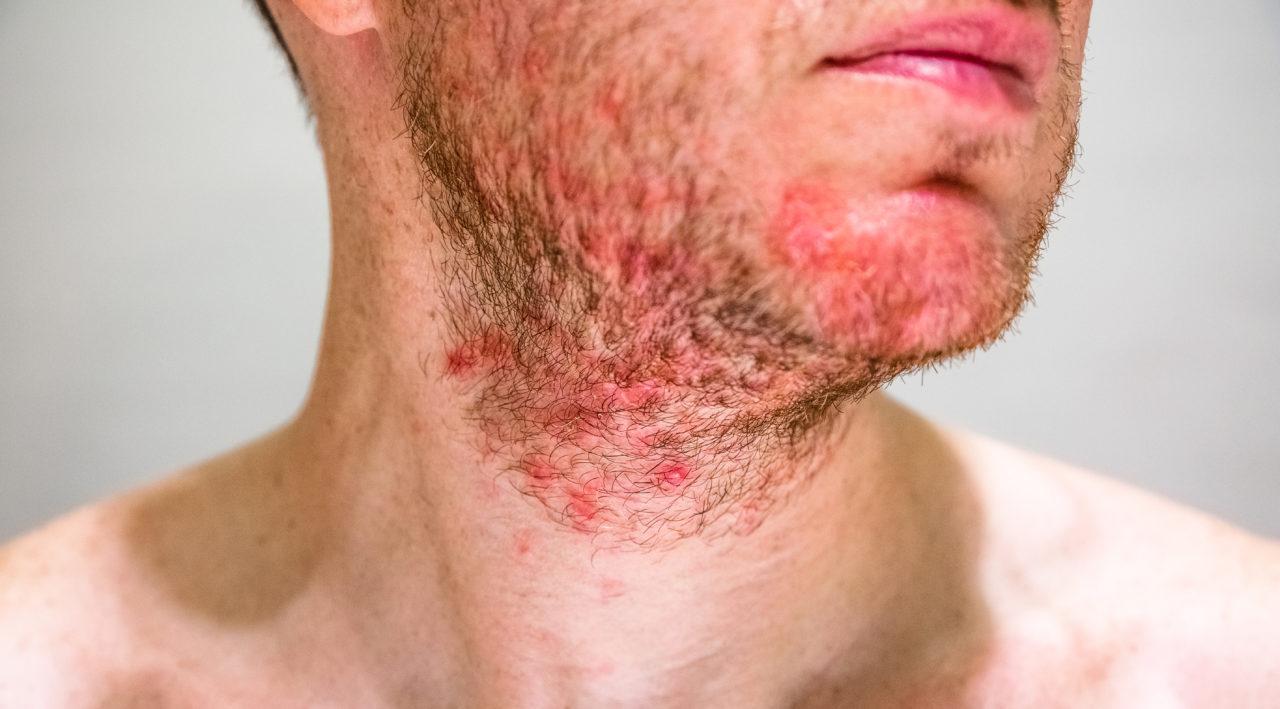
Seborrheic dermatitis of the scalp is a chronic and recurrent condition. The affected skin looks very unsightly and may cause discomfort and lower self-esteem. This problem most often affects adolescents during puberty, but it can also occur in adults and infants.
Continue reading “Seborrheic dermatitis of the scalp. Causes, treatment of seborrheic dermatitis”
Alopecia areata – causes, varieties, treatment methods
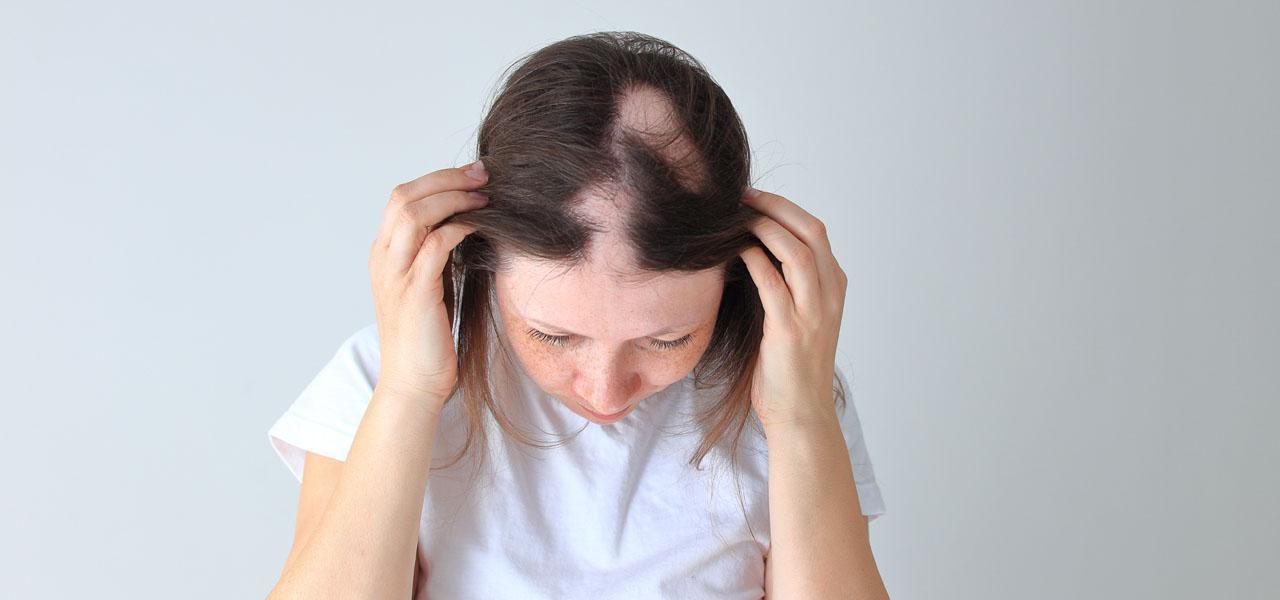
Alopecia areata is a type of hair loss that occurs not only in adults but also in children. This condition can appear at any age, with the first symptoms often showing during adolescence or even childhood. In 60% of cases, alopecia areata is diagnosed before the age of 20. It is the most common cause of hair loss after androgenetic alopecia. The condition affects both men and women. Unlike androgenetic alopecia, hair transplantation is not an option for alopecia areata.
Continue reading “Alopecia areata – causes, varieties, treatment methods”
What is the difference between dry dandruff and oily dandruff?
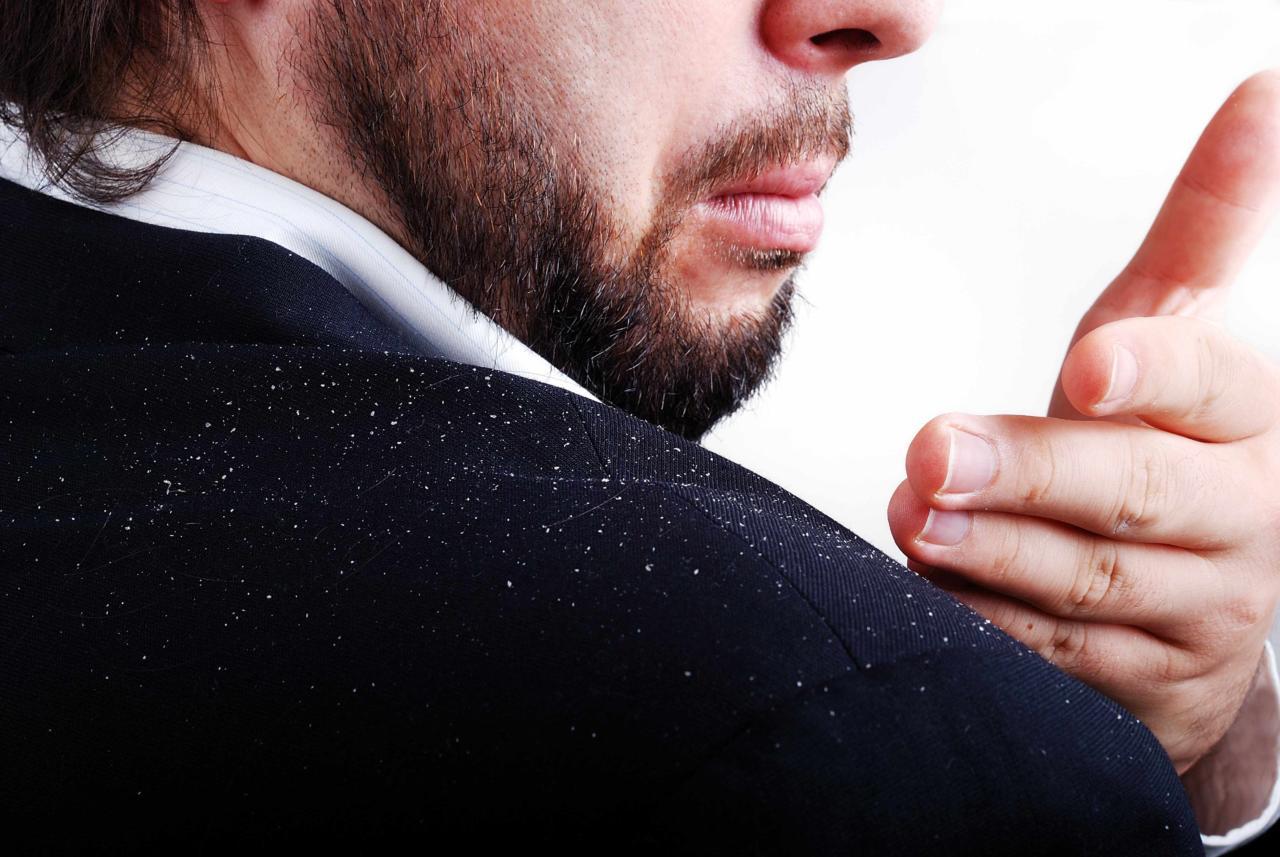
On the scalp of every person, regardless of age or gender, there are yeasts (Pityrosporum ovale). These are natural microorganisms of the scalp and usually do not cause any problems on a daily basis. However, when conditions become favorable (seborrhea or overly dry skin), issues may arise. Pityrosporum ovale multiply very quickly, and the substances produced during their breakdown irritate the scalp. They cause itching and excessive flaking of the skin – known as dandruff.
Continue reading “What is the difference between dry dandruff and oily dandruff?”
Androgenetic alopecia: Causes, symptoms and diet
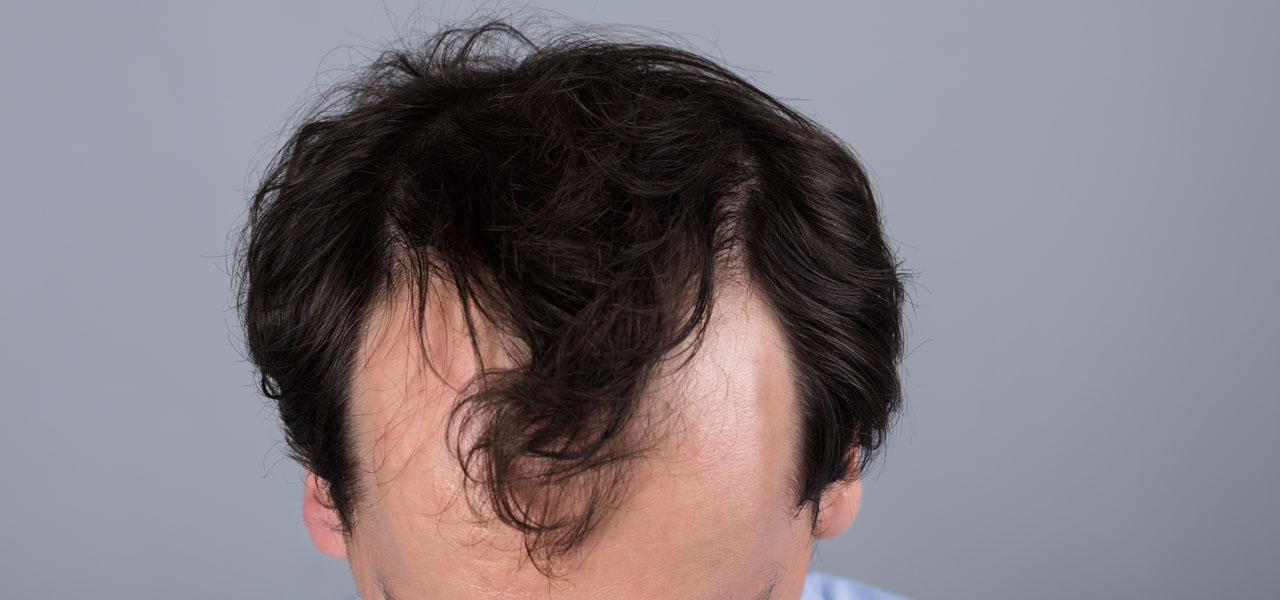
It is normal to shed hair which regrows in natural cycles. However, some factors disturb this process and you lose hairs which do not regrow. If you notice developing a receding hairline it can be a symptom of androgenetic alopecia . Even 70-80 per cent of men and 30-40 per cent of women suffer from this type of alopecia. Hair loss frequently causes the patient to feel uncomfortable. So maybe you should consider fighting this problem?
Continue reading “Androgenetic alopecia: Causes, symptoms and diet”
The ultimate guide to preventing Hair Aging
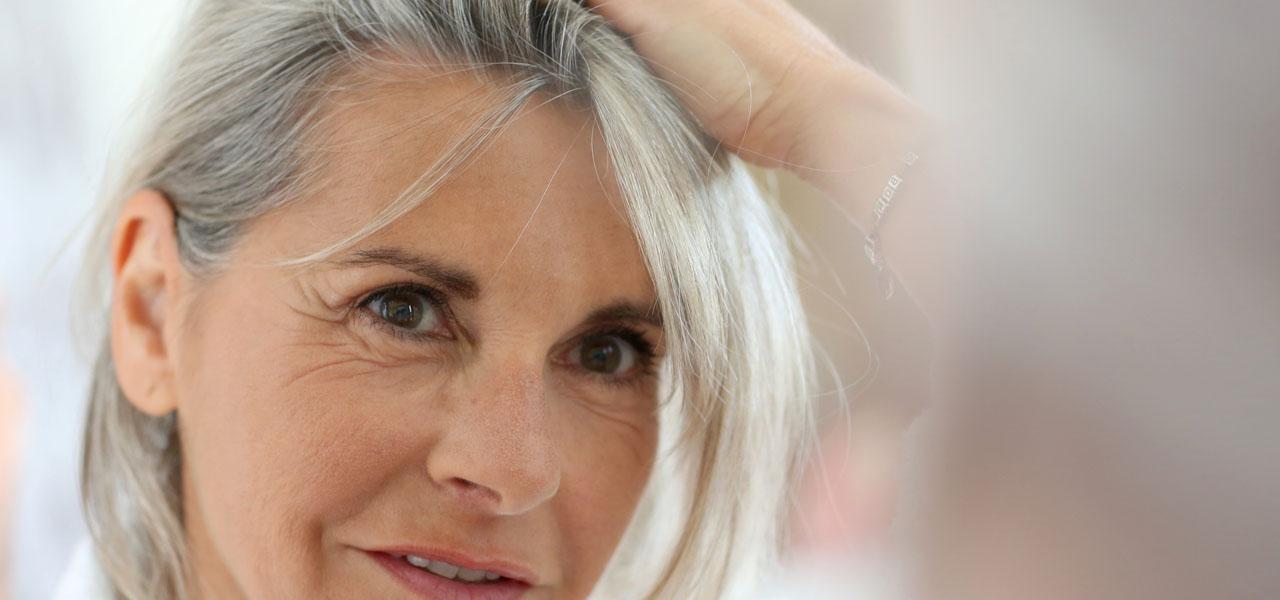
Many women dream of having beautiful, thick hair well into later years. Hair starts to age much earlier than it seems. Already around the age of forty, hair becomes weaker – hair follicles decrease in number, and the bulbs are no longer able to regenerate as they once did. Another sign is that hair turns gray and becomes drier. Until now, this could be hidden under dye. In reality, the hair aging process is partly dependent on us.
Continue reading “The ultimate guide to preventing Hair Aging”