
Scalp LED Therapy

Phototherapy – LED light therapy

Medical consultation: dr n. med. Piotr Turkowski (PWZ: 2786580) Update: marzec 2026

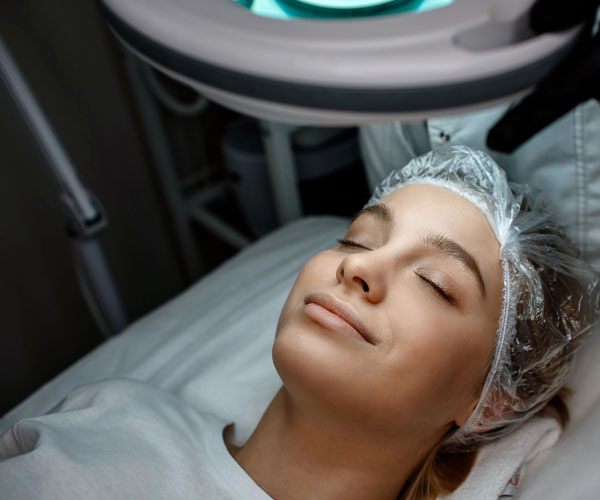
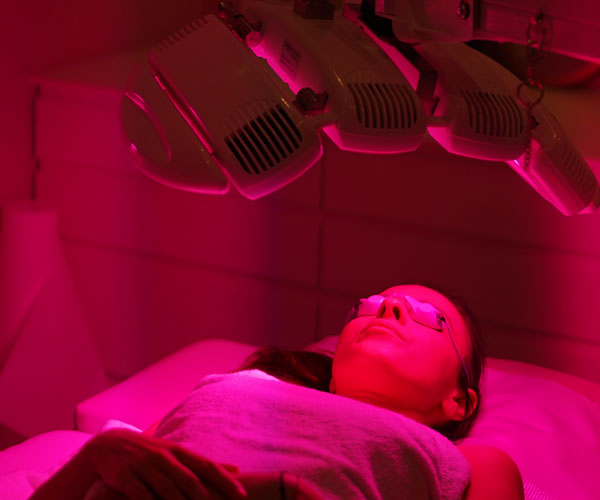
LED phototherapy of the scalp is a procedure that supports the treatment of scalp conditions and is performed under controlled clinical conditions. The treatment utilizes specific light wavelengths to target the superficial tissues of the scalp and the environment of the hair follicles. At PT Clinic, phototherapy is part of a comprehensive, individually tailored therapeutic approach.

  • local action on the scalp and the area surrounding the hair follicles
  • non-invasive procedure requiring no recovery time
  • used as a supplement to dermatological and trichological treatment
Non-invasiveness
0%
painless and safe light therapy
TREATMENT TIME
0-30 min
duration of a single irradiation session
THERAPEUTIC SERIES
0 – 10
recommended treatments for an optimal result
LIGHT SPECTRUM
0
synergistically acting wavelengths (red, blue, and NIR light)

*The treatment parameters presented are based on PT Clinic’s medical standards and the technical specifications of medical LED phototherapy, drawing upon guidelines from scientific societies in the fields of dermatology and photomedicine regarding light-based cellular stimulation. Final therapeutic outcomes, the degree of regeneration, and the number of sessions required depend on the patient’s individual biological skin characteristics.

Scalp phototherapy – what does it involve?

Scalp phototherapy involves the controlled exposure of the scalp to LED light with precisely defined wavelength and energy parameters. The emitted light penetrates the epidermal layers and acts upon scalp cells, including the structures surrounding the hair follicles.

The mechanism of action of LED light involves its impact on metabolic processes within skin cells. Light photons can modulate mitochondrial activity, support cell renewal processes, and influence local microcirculation in the scalp. Consequently, changes occur in the skin environment that are significant for the treatment of dermatological conditions and scalp disorders.

Treatment parameters—including wavelength, exposure time, and the number of sessions—are selected in a controlled manner tailored to clinical indications. LED phototherapy acts exclusively locally and does not compromise skin integrity, allowing it to be used as part of a planned therapeutic regimen.

Detailed information

What do you need to know?

Before deciding on the procedure, check the key parameters of LED phototherapy—duration, the fact that no anesthesia is required, the course of the treatment series, and expected results—all in one place.

Indications
Excessive hair loss, androgenetic and patchy alopecia, weakened hair roots, support for healing after hair transplantation
Duration
20–30 minutes (one exposure session)
Anesthesia
No
Convalescence
No
Final results
Strengthening of hair and inhibition of hair loss after a series of 6–10 treatments; stimulation of scalp microcirculation.
Durability
Long-lasting regenerative effect (periodic touch-up treatments recommended to maintain the results)
Recommended number of repetitions
A series of 6–10 treatments performed 1–2 times a week (for maintenance: 1 touch-up treatment per month)

LED light acts locally; however, its use must be preceded by ruling out dermatological contraindications, particularly in patients with inflammatory skin diseases.

– Dr. Piotr Turkowski, MD, PhD

Who is scalp phototherapy for?

LED phototherapy of the scalp is used in specific clinical situations where the goal is to influence the functioning of the scalp and the environment of the hair follicles. The procedure may be incorporated into a dermatological or trichological treatment plan, taking into account the current condition of the skin and the patient’s clinical presentation.

When is it worth considering LED phototherapy?

LED phototherapy of the scalp is sometimes used for patients with scalp disorders, with the aim of improving biological conditions within the epidermis and hair follicles.
The most common indications include:
  • chronic scalp imbalances, including dryness, hyper-reactivity, or a tendency towards irritation
  • conditions associated with impaired hair follicle function, observed in certain types of hair loss
  • the need to support scalp regeneration processes during or after other dermatological procedures

When should scalp phototherapy be postponed?

LED phototherapy is not performed during periods of active scalp disease or in situations where light exposure could exacerbate dermatological symptoms. The decision to postpone the procedure applies primarily to acute inflammation, infections, and certain chronic skin conditions.
The most significant temporary or absolute contraindications include:
  • active bacterial, viral, or fungal infections of the scalp
  • severe inflammation, erosions, damage to the epidermis
  • diseases involving photosensitivity or photosensitizing treatment

What does a scalp phototherapy treatment involve?

The scalp LED phototherapy process comprises a medical assessment stage and the treatment itself, performed on an outpatient basis. The treatment plan is tailored to the condition of the scalp, dermatological indications, and the patient's treatment history.

Medical consultation and eligibility assessment

The consultation preceding scalp LED phototherapy involves an assessment of the condition of the scalp and an analysis of reported symptoms. The physician considers the clinical presentation of the scalp, previous treatments, and any co-existing medical conditions. At this stage, the indications for incorporating LED phototherapy into the treatment plan are determined, and the treatment parameters are established. Patient eligibility is assessed on medical grounds, based on the current state of the scalp and the objectives of the ongoing dermatological or trichological treatment.
The LED phototherapy procedure

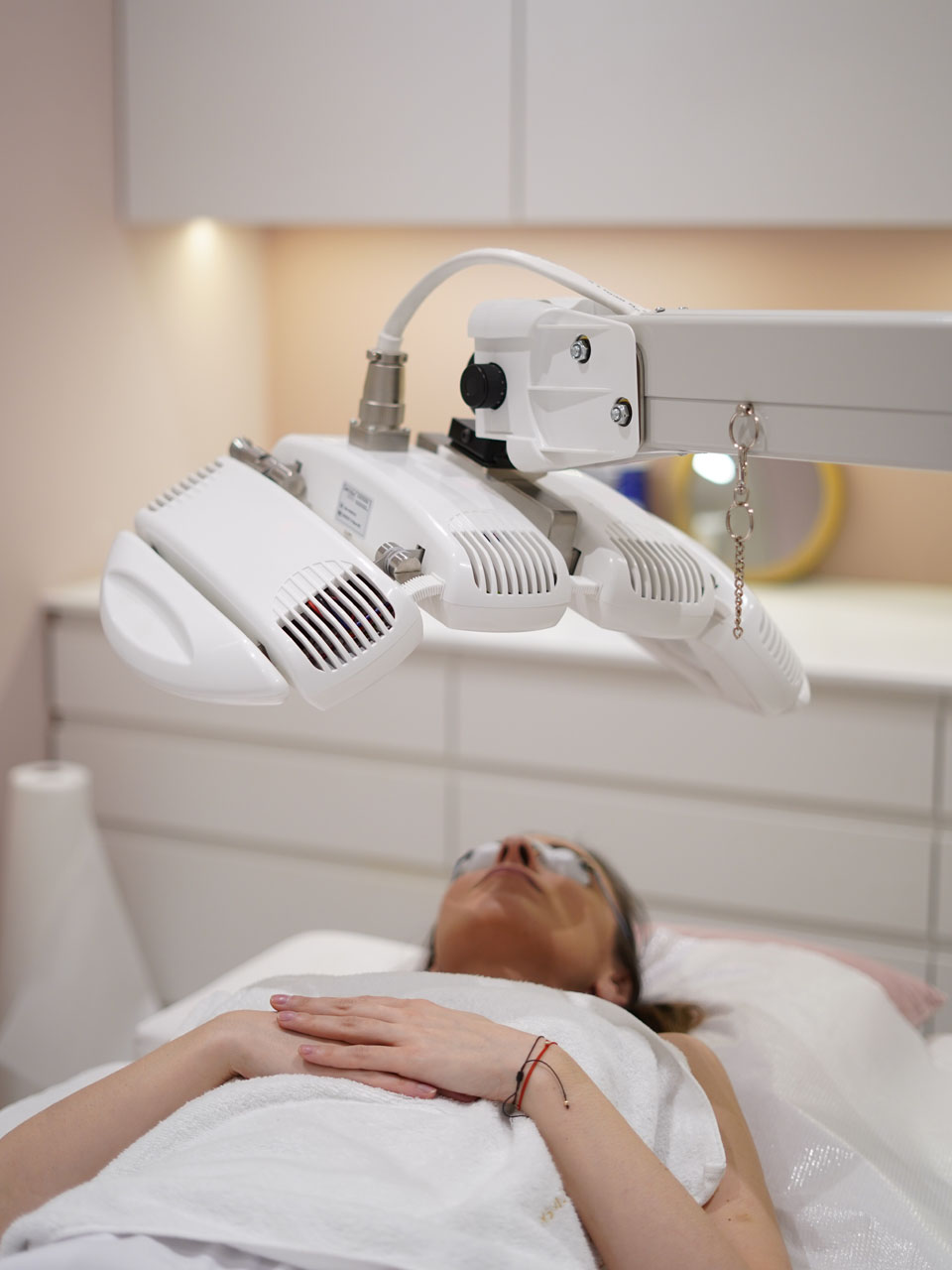
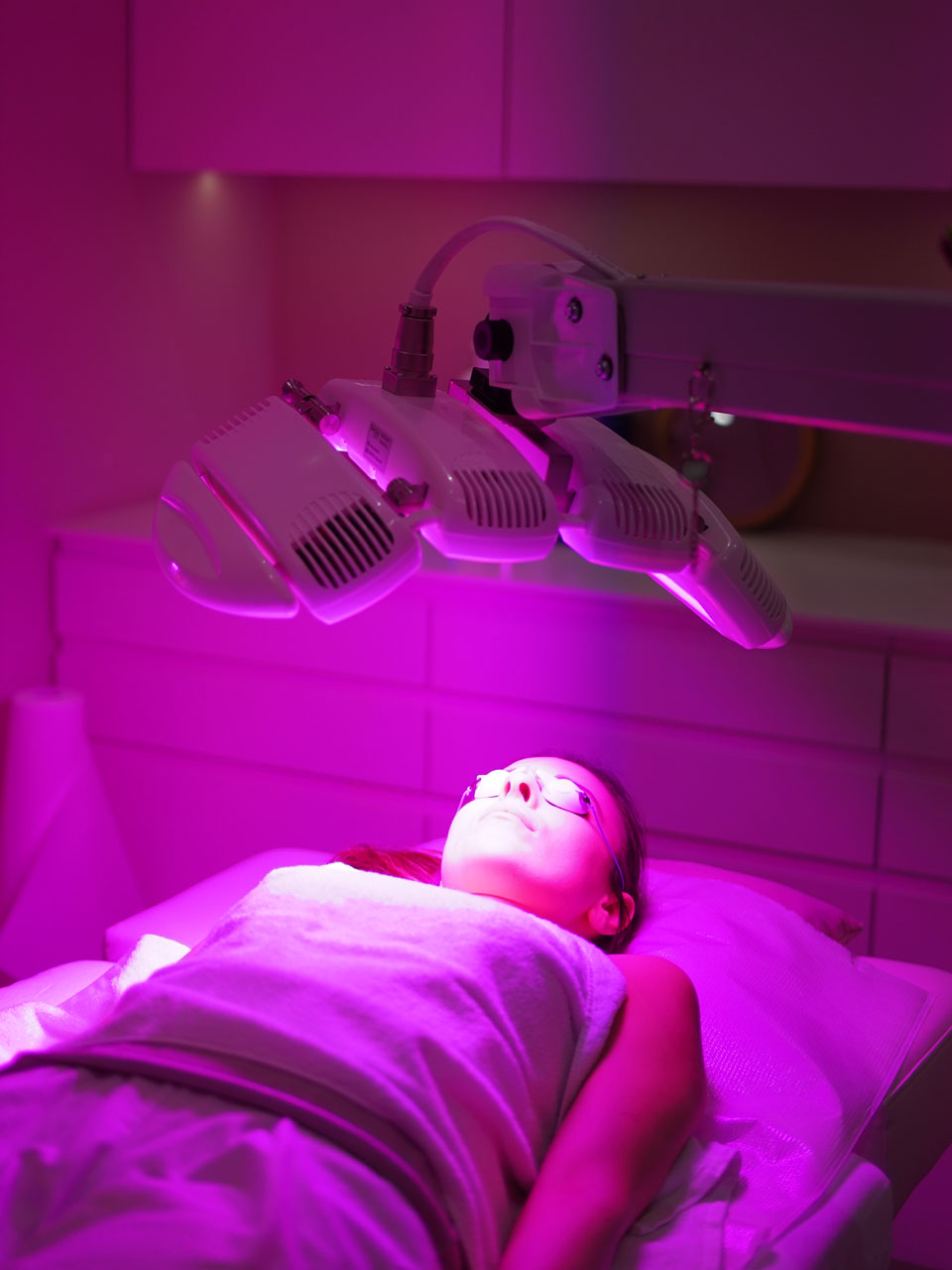
The LED phototherapy procedure is performed on an outpatient basis. The scalp is exposed to LED light with specific parameters, without compromising the integrity of the epidermis. During the procedure, the patient remains in a seated or semi-reclined position, and the light is applied to selected areas of the scalp. LED phototherapy does not cause perceptible pain. The duration of a single session depends on the therapeutic program used and clinical indications.

Post-procedure care

No recovery period is required after scalp phototherapy; the patient may immediately resume daily activities. The scalp does not require special care beyond the recommendations associated with the ongoing dermatological treatment. Any further course of action is determined on an individual basis, in accordance with the treatment plan and observations of the scalp's response during subsequent visits.

FAQ

LED phototherapy of the scalp raises questions regarding its therapeutic role, safety, and the course of treatment. The most frequently discussed issues, based on clinical practice and dermatological observations, are summarized below.

LED phototherapy of the scalp is sometimes used as an adjunct treatment for certain types of hair loss. Its effects primarily target the scalp and the environment of the hair follicles rather than the hair shaft itself. Clinical practice shows an impact on skin condition, which may be significant when using other therapeutic methods.

The number of LED phototherapy sessions is determined individually and depends on clinical indications and the scalp’s response. The procedure is performed in a series, in accordance with a treatment plan developed by the attending physician.

LED phototherapy is considered a non-invasive procedure performed under controlled medical conditions. When appropriate patient selection criteria are met and contraindications are observed, there is no disruption of skin integrity or occurrence of systemic adverse effects.

Scalp phototherapy is sometimes included in a treatment plan when there is a need to improve the condition of the scalp or to support other dermatological procedures. Its use is determined by the clinical presentation and the goals of therapy.

No recovery period is required following the LED scalp phototherapy treatment. Patients may return to their normal daily activities immediately after the procedure, in accordance with general medical recommendations.

Effects of scalp phototherapy

LED phototherapy of the scalp affects the superficial layers of the skin and the environment of the hair follicles. The observed changes primarily concern the functioning of the scalp and its biological parameters, which is significant in the course of dermatological and trichological treatment.

In clinical practice, scalp phototherapy can affect:

  • improvement of the scalp's microenvironmental conditions, including its blood supply and cellular metabolism
  • modulation of processes occurring within hair follicles, essential for the hair growth cycle
  • reduction of symptoms associated with scalp discomfort, such as tightness or hypersensitivity

How much does scalp phototherapy cost?

The price of scalp LED phototherapy in Warsaw depends on the nature of the treatment and the role the procedure plays in the overall treatment plan. The cost of the procedure may vary based on the number of scheduled sessions, the frequency of treatments, and the specific dermatological or trichological indications for which the phototherapy is used.

In clinical practice, scalp phototherapy may be performed as a standalone procedure or as part of a planned series of treatments, a factor that influences the total cost of therapy. The price includes the procedure itself—performed using certified medical equipment—and supervision by medical personnel. At PT Clinic, fees are determined in accordance with the clinic’s current price list and are preceded by a medical assessment to establish the scope and objective of the LED scalp phototherapy.


Why do patients undergo scalp phototherapy at PT Clinic?

At PT Clinic, LED phototherapy of the scalp is administered as part of a cohesive dermatological and trichological treatment plan. The procedure is incorporated into the treatment based on clinical assessment, in adherence to medical standards and ensuring continuity of patient care.

Clinical experience

Scalp phototherapy treatments are performed by a team experienced in the diagnosis and treatment of scalp disorders. The approach is based on current dermatological knowledge and clinical practice.

Individual approach

The treatment plan takes into account the condition of the scalp, the diagnosis, and the course of therapy to date. LED phototherapy is selected based on specific indications and the therapeutic goal.

Safety and standards

Procedures are performed using certified medical equipment, in accordance with applicable safety standards. Each treatment is preceded by a medical assessment to determine suitability and check for contraindications.

Continuity of care

Scalp phototherapy is carried out as part of a planned treatment process, allowing for the monitoring of skin reactions and the modification of the treatment approach during subsequent visits.
CONSULTATION AND TREATMENT PLAN

Preliminary qualification

Start a professional treatment to strengthen your hair and stimulate regrowth. Submit your details via the form below, and a medical team led by Dr. Piotr Turkowski will assess the condition of your scalp and the extent of hair follicle weakening. Based on this assessment, we will select a personalized series of LED phototherapy treatments, determine the optimal frequency of sessions, and create a tailored therapeutic plan for you.

Our team usually responds within 24 hours.

Weryfikacja merytoryczna

Treści medyczne zawarte na tej stronie zostały zweryfikowane przez lekarza – dr. n. med. Piotra Turkowskiego (PWZ: 2786580).

Informacja prawna: Treści zamieszczone na niniejszej stronie mają charakter edukacyjny i informacyjny. Nie zastępują one profesjonalnej porady medycznej, diagnozy ani leczenia. Nie stanowią oferty handlowej w rozumieniu Art. 66 § 1 Kodeksu Cywilnego.
This site is registered on wpml.org as a development site. Switch to a production site key to remove this banner.